


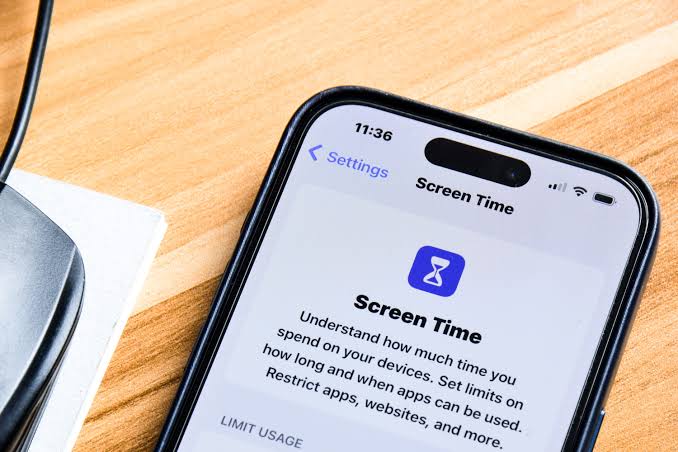
Setting screen time limits sounds easy until real life gets in the way. One quick scroll turns into an hour. A “five-minute break” somehow becomes an entire evening online.
Phones, apps, and social platforms are designed to keep your attention. That is why reducing screen time takes more than willpower alone.
The good news is that realistic habits work better than extreme rules.
Stop Setting Unrealistic Goals
One of the biggest mistakes people make is trying to quit excessive screen use overnight.
If you currently spend eight hours daily on your phone, dropping to one hour immediately will probably fail.
Instead, reduce your usage gradually.
For example:
- Cut social media time by 30 minutes first
- Avoid screens during meals
- Create one screen-free hour before bed
Small changes are easier to maintain long term.
Track Your Current Usage First
Before setting limits, understand where your time actually goes.
Most smartphones already include tracking tools like:
- Screen Time
- Digital Wellbeing
These tools show:
- Which apps you use most
- How many times you unlock your phone
- Total daily screen hours
Many people underestimate their usage until they see the numbers.
Focus on Specific Apps
Not all screen time is equally harmful.
Work apps, navigation tools, and educational content are different from endless social media scrolling.
Instead of reducing all phone use, focus on the apps that waste the most time.
For many people, those include:
- TikTok
- X
Targeting specific habits makes screen time limits feel more realistic.
Make Your Phone Harder to Use
Convenience fuels overuse.
Simple changes can reduce mindless scrolling significantly:
- Turn off unnecessary notifications
- Move distracting apps off your home screen
- Use grayscale mode
- Log out of addictive apps occasionally
These small barriers interrupt automatic behavior.
Replace the Habit, Don’t Just Remove It
Many people fail because they remove screen time without replacing it.
If boredom is the trigger, you need alternatives.
Try:
- Reading
- Walking
- Podcasts
- Journaling
- Offline hobbies
Without replacement habits, you will likely return to old patterns quickly.
Avoid “No Phone Ever” Rules
Strict rules often backfire.
Telling yourself you can never use social media again creates frustration. Eventually, that restriction leads to binge usage.
Flexible boundaries work better than total bans.
For example:
- No phones during meals
- No scrolling after midnight
- Social media only after work
Balanced routines are easier to sustain.
Use App Limits Carefully
App timers can help, but they are not magic solutions.
Most people ignore the warning and continue scrolling. However, timers still create awareness, which matters.
Use them as reminders instead of relying on them completely.
Sleep and Mental Health Matter Too
Too much screen time can affect:
- Sleep quality
- Focus
- Productivity
- Mental health
Late-night scrolling is especially harmful because blue light disrupts sleep patterns.
Reducing nighttime phone use often improves energy and concentration surprisingly fast.
The best screen time limits are the ones you can realistically maintain.
You do not need to quit technology completely. Instead, you need healthier boundaries that fit your lifestyle.
Start small. Stay consistent. Focus on progress instead of perfection.


