


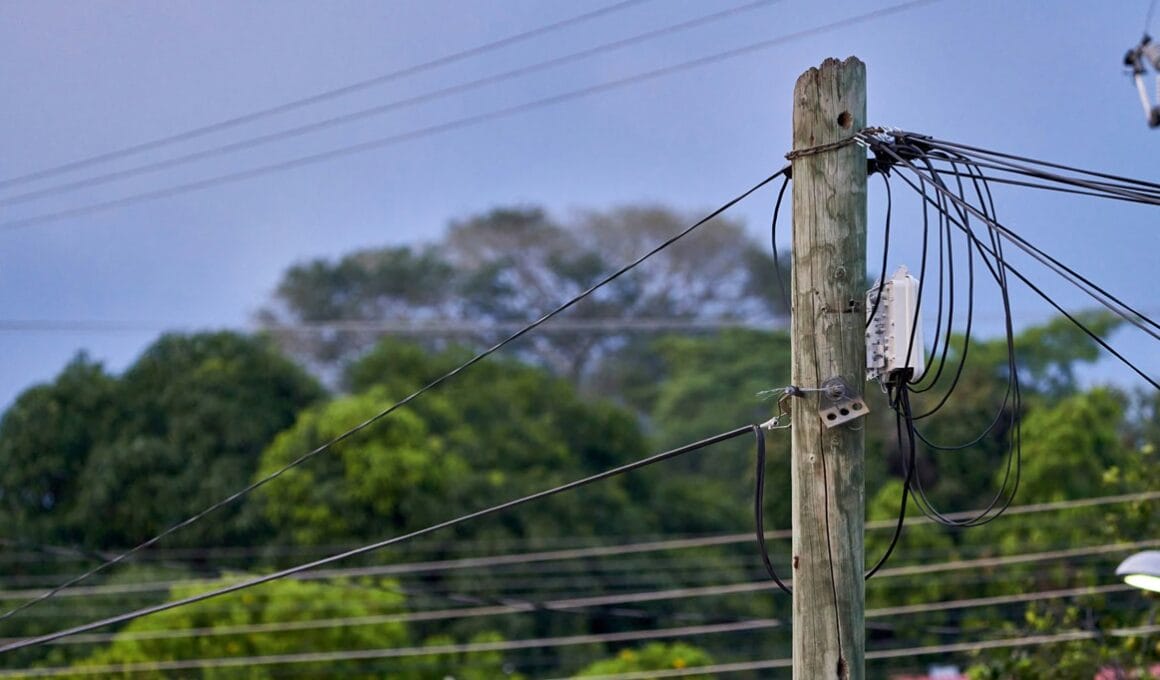
Ask most Nigerians which sector needs fixing first, roads, hospitals, schools, or the power grid, and the answer usually lands on electricity. A dependable supply is the backbone of modern economies and the foundation upon which digital public infrastructure (DPI) operates.
Nigeria is rapidly building a digital ecosystem that includes digital identity systems, online birth registration, real-time payment networks, e‑tax platforms, and digital transport systems, among others. These tools promise to transform how citizens interact with government and how businesses operate. Yet behind every digital platform is a physical infrastructure requirement, which is electricity.
Without stable power, government portals stall, financial transactions fail, and digital services remain unreliable. Power outages increase transaction costs, disrupt data systems, and force businesses to rely on costly generators. Strengthening the national grid, aside from being an energy policy priority, is essential for scaling Nigeria’s emerging digital public infrastructure.
When the Grid Fails
Nigeria generates about 4,500 megawatts (MW) of electricity, but the nation‘s peak electricity demand exceeds 20,000MW. The gap leaves homes, businesses, and digital infrastructure vulnerable to frequent outages.
Nigerian businesses experience an average of 239 hours of power outages every month (about 7-8 hours daily) with about US$0.20 to 0.30 per kilowatt-hour (kWh) spent on self-generation. The situation results in economic losses exceeding $25 billion annually to the country. The financial sector feels the shock even more acutely. Meanwhile, the World Bank estimates that every year of power interruption costs the Nigerian economy approximately ₦29 billion in lost productivity, representing about 2% of its Gross Domestic Product (GDP).
For digital infrastructure providers, particularly data centres and fintech platforms, reliable electricity is critical. Payment switches, identity databases, and cloud services must run continuously to maintain uptime and public trust.
For instance, MTN Nigeria’s Lagos data centre initially relied on the national grid, but the erratic feed pushed the site to run on a diesel generator 95 per cent of the time. This was until 2018, when Aggreko, a hybrid power generation solutions company, stepped in to install five QSK-60 gas generators, each 1,375 kVA, delivering a combined five megawatts of on‑demand power, stabilising operations and reducing reliance on diesel.
This challenge affects the backbone of Nigeria’s digital economy. The Nigeria Inter-Bank Settlement System (NIBSS) processes nearly 11billion transactions every month, enabling digital payments across banking apps, POS terminals, and mobile platforms. Interruptions in electricity can disrupt these transactions, affecting millions of daily economic activities.
Olu Verhejen, special adviser on energy to President Bola Tinubu, explains a chain reaction that starts with unreliable power. “The number of people living in poverty and those without access to electricity in Nigeria is not accidental. Clearly, the link between electricity consumption and economic development is well established across different countries in different income strata.”
Investing in reliable power is therefore a prerequisite for unlocking the talent, innovation, and productivity that can lift Nigeria’s digital public infrastructure.

The Digital Business Owner’s Reality
For entrepreneurs building businesses on digital platforms, electricity reliability often determines success or failure.
Lukman Okpanachi, a 28-year-old entrepreneur, knows the battle with electricity unreliability all too well. From his room in Minna, Niger State, he is building an e‑commerce bridge between rural artisans and city shoppers, hoping to rely on real‑time inventory feeds, mobile payments, and cloud‑based logistics. But every grid collapse throws his dream into a nightmare.
“But when there’s no electricity, servers and payment gateways do not work, and I fear I will lose customers,” Lukman says, recalling major blackouts in March, September, and December, 2025. His story shows a broader pattern where many entrepreneurs pay fuel costs that eat into already thin margins. A 2025 evaluation of the economic impact of frequent power outages on Nigeria’s National grid, using 400 Nigerian SMEs, found that most respondents cited electricity unreliability as the primary barrier to growth. SMEs experienced a 35 per cent decline in productivity and a 25 per cent increase in operational costs. Many founders now treat generators as essential insurance, draining cash that could otherwise fund inventory or marketing.
A Power Grid under pressure
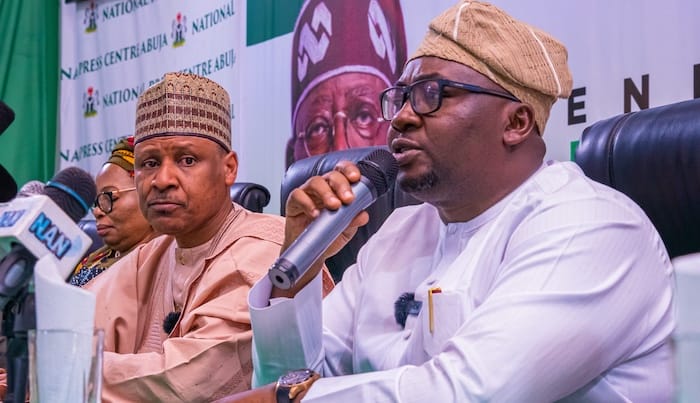
The Federal Government admits that its aging grid is under severe pressure. Minister of Power, Adebayo Adelabu, has described the transmission segment as “historically weak, burdened by inefficiencies and ageing infrastructure across Nigeria’s 928,000-square-kilometre landmass.”
The electricity distribution sector in Nigeria continues to struggle with high levels of technical and non-technical losses due to outdated infrastructure, theft, and inefficient billing systems. A significant portion of consumers remains unmetered, leading to revenue losses and customer dissatisfaction. Efforts to achieve cost-reflective tariffs are ongoing, though concerns about affordability and regulatory stability persist.
In 2019, the government signed the Nigeria Electrification Roadmap (NER) partnership for a phased modernisation of its national grid, primarily through the Presidential Power Initiative (PPI) and the Siemens-Nigeria Electrification Roadmap. The partnership aimed to increase operational capacity from 5 GW to 25 GW by 2025. While initial timelines have been delayed, stakeholders hope that upgraded infrastructure will reduce losses, improve billing accuracy, and ultimately bring reliable electricity to homes and businesses across the country.

Closing the Loop for DPI Success
Nigeria’s DPI agenda seeks to digitise public service delivery, enable financial transactions through electronic channels, and inspire a strong ecosystem of cloud‑based innovations. But without a reliable electricity supply, DPI cannot achieve its intended scale and impact. There is, however, a growing call for hybrid power solutions that combine solar panels, battery storage, and on‑site generation. These systems act as a bridge between an overstretched grid and the reforms needed for a modern power network.
The government, too, is taking notice. As part of a broader power sector reform focused on high-capacity transmission infrastructure, the Federal Government, through the Ministry of Power and the presidency, constituted an 11-member committee. Its charge is to ensure the smooth sailing incorporation of the Grid Asset Management Company Limited (GAMCO). The pilot will use the Benin‑Lagos transmission corridor to recover and optimise stranded generation capacity.
These efforts align with international best practices. The World Bank’s 2025 “Wired for Work: How Digital Infrastructure is Powering Job Creation in Emerging Economies” report highlights that digital infrastructure can create jobs when paired with enabling policies, skills development, and physical investment.
A significant shift in Nigeria’s energy policy came with the constitutional amendment (followed by the Electricity Act 2023) that moved electricity from the Exclusive List, where only the federal government could legislate, to the Concurrent List, allowing both federal and state governments to enact laws and implement projects in the power sector. States can now issue licences, attract private investors, and launch renewable‑energy pilots without waiting for the federal government, while the centre retains its mandate to maintain national‑scale transmission. This decentralisation signals that all hands are now expected to be on deck.
The road ahead demands coordinated action. Public investment must prioritize stabilising the grid in high‑density digital corridors, while regulatory reforms should streamline private renewable deployments. Incentive structures, including tax breaks, low‑interest green loans, and public‑private partnership frameworks, can accelerate solar‑plus‑storage projects, cutting dependence on expensive generators and delivering a cleaner, more reliable power supply.
This report is produced under the DPI Africa Journalism Fellowship Programme of the Media Foundation for West Africa and Co-Develop.