


In the bustling tech hubs of Africa, a new generation of leaders is emerging, defined not by the degrees they hang on the wall, but by the communities they build. Few embody this spirit more than Aboze Brain, a key architect behind AI Community Africa (AICA). But to understand his drive to democratize AI education, you have to go back to a time when for him, technology was something to be seen and not touched.
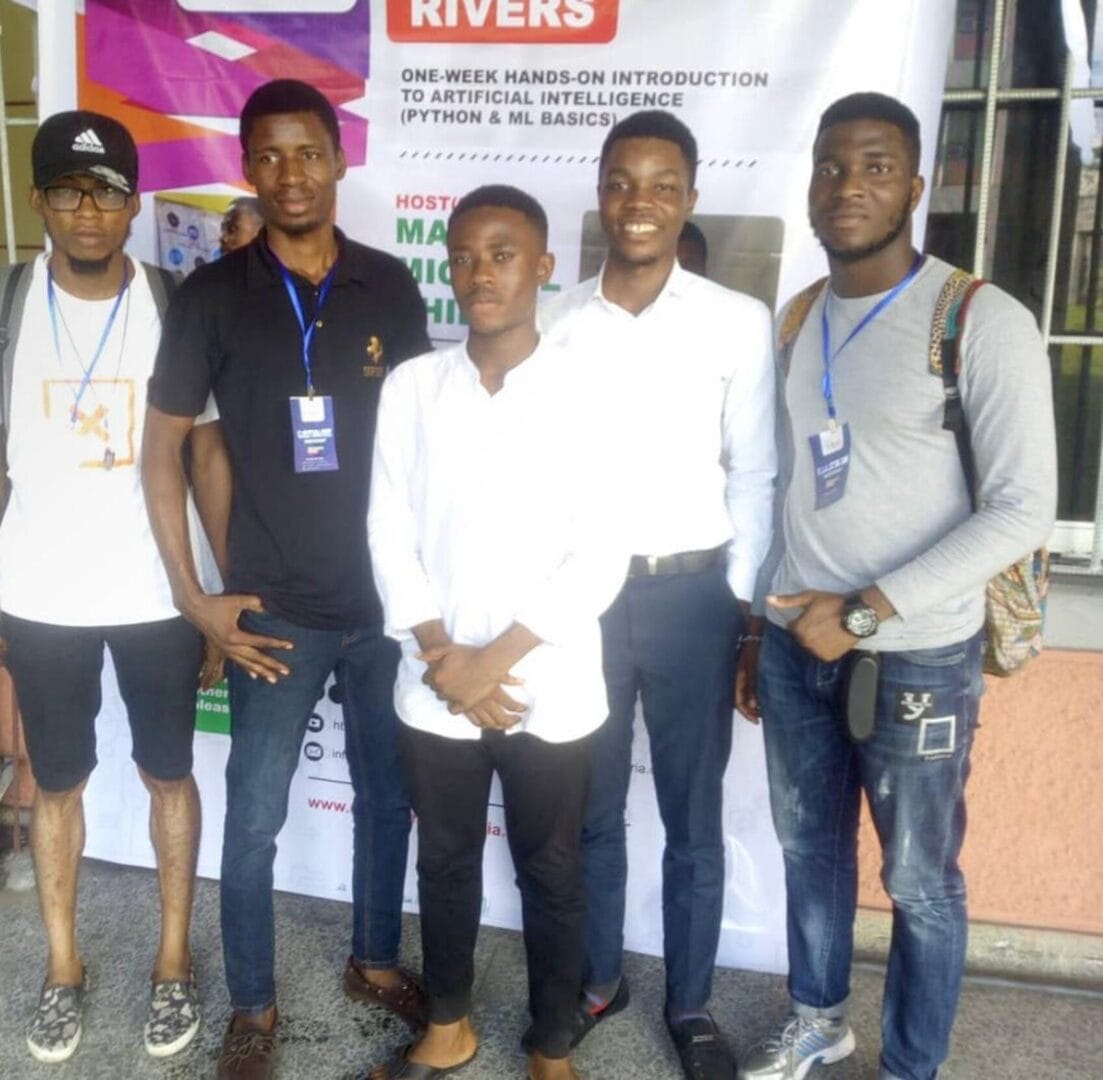
“Growing up in Africa, you’re told not to touch the computer, as you might spoil it,” Brain recalls. It’s a sentiment that many aspiring technologists on the continent can relate to, a curiosity kept at arm’s length by the fear of breaking precious, inaccessible hardware. For Brain, that curiosity simmered until university, where a C++ and Matlab course finally gave him the license to experiment. He was hooked.
Yet, his path wasn’t a straight line into tech. He was enrolled in Petroleum Engineering, a demanding course where he excelled, ultimately graduating with a First Class degree. But the spark he’d found in programming never left him. “I wasn’t coding that much because I was striving for a first class, and the course work was intense,” he explains. “Fast forward to my graduation, and I was ready to explore. So, I kept my certificate in my locker and started going to tech hubs to see what would impress me.”
This decision marked a pivotal moment. Brain put a symbol of traditional success aside to chase a passion. He dabbled in Android development, but his laptop “was getting fried.” He tried Flutter and even Unity 3D for game development, but his PC couldn’t cope. The hardware barrier he’d known as a child was still very real. Then came the breakthrough. At a local meetup, he saw Stephen Oladele, a name now synonymous with Nigeria’s AI ecosystem, demonstrate how to build a simple AI model to classify handwritten numbers.
“I could relate with some of the mathematics due to my engineering background,” Brain says. “I could replicate it with my small PC, and I was star-struck. I could learn and develop my skills in this area.” That moment was the genesis of everything that followed. He connected with Oladele, who armed him with materials to grow. He had found his calling not just in AI, but in the community that had opened the door. A year later, he wasn’t just a participant; he was ready to lead.
“I wanted to help the community that helped me,” he states. “I stepped up into a partnership role to see how we could get top course platforms to give we underrepresented Africans access to world-class materials.” Today, as the Partnership Co-ordinate for AI Community Africa (AICA), Brain has been instrumental in forging alliances that were once just a dream. The community has partnered with global giants like DataCamp, Coursera, and Google Crowdsource, providing skills, opportunities, and a pathway to global impact for thousands of members.
“Looking back, it’s been so emotional seeing so many people we have been able to impact,” he reflects. “It is a great way to end the year, knowing I learnt via the community and others are now learning, building skills, and getting opportunities.”
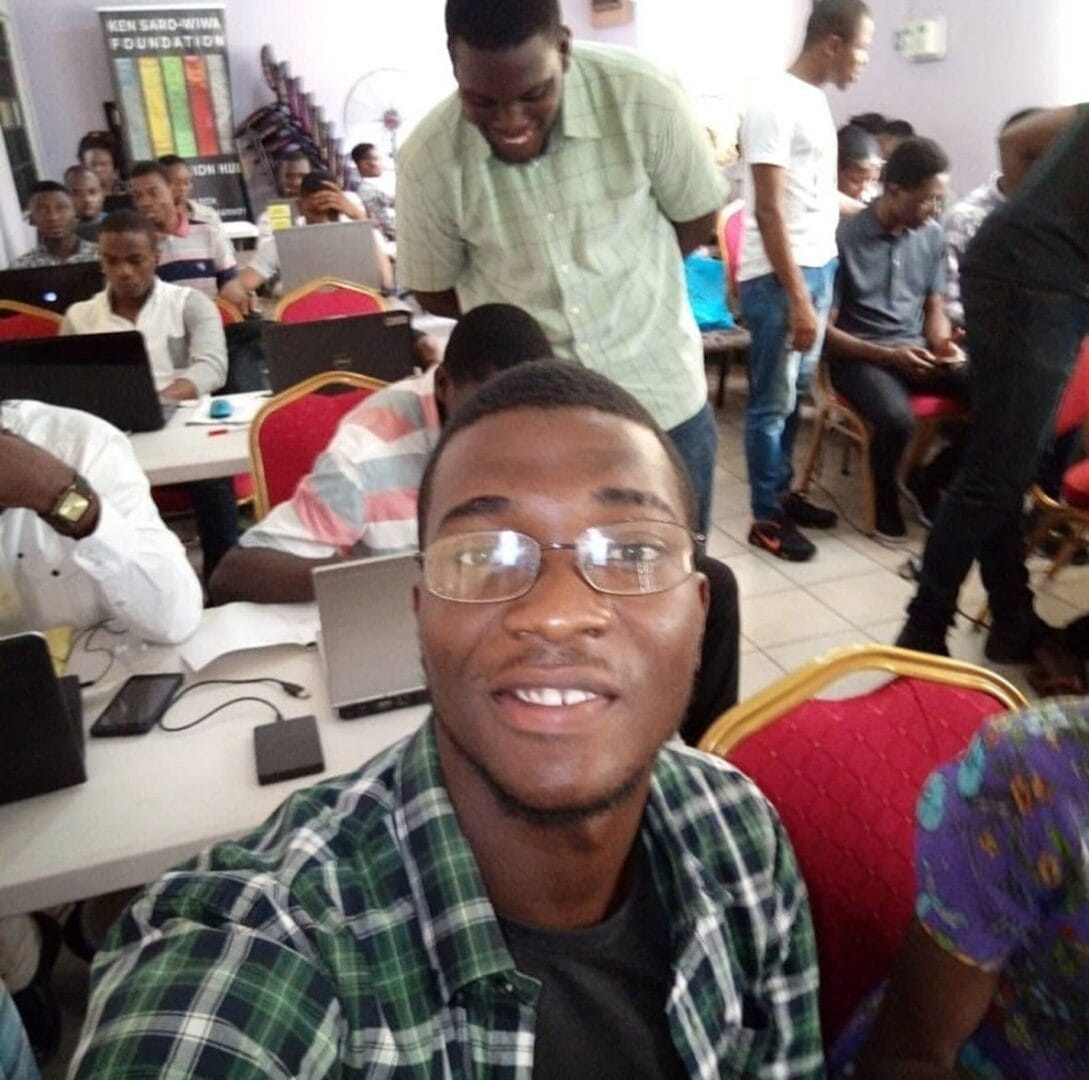
For Aboze Brain, this is more than just coordinating partnerships. It’s about embedding a philosophy of collaboration into the very fabric of African tech. “Community is in me. I am an open-source guy,” he concludes. “That mindset is the best for the future, as we need to build that human empathy into AI-driven solutions and products.”
From a boy who couldn’t touch a computer to a man building highways of opportunity for others, Brain’s journey is a powerful testament to a simple truth: the future isn’t just built with code; it’s built with community.


