



Mobile gaming already feels like the future, but 5G is the infrastructure that makes that future tangible today. From near-instant matchmaking to high-fidelity cloud streams, the impact of 5g on mobile gaming is reshaping how developers design games, how publishers monetize, and how players compete across regions.
Here’s a practical look at what changes are real now, which ones are coming next, and how players, studios and telcos should prepare.
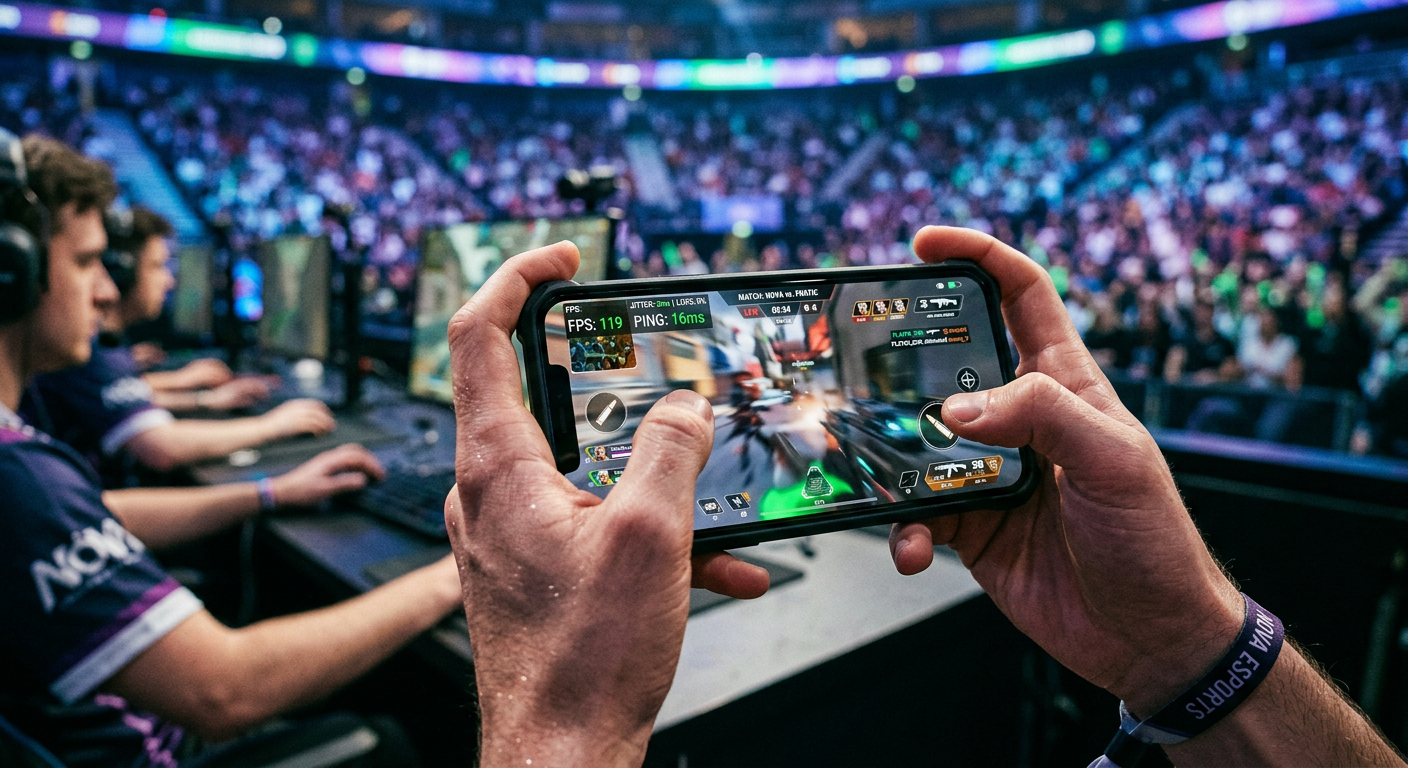
What 5G actually delivers for mobile games
Faster downloads and updates
5G’s higher bandwidth means game installs, content updates and downloadable assets complete far faster than on most 4G connections. That reduces friction for large titles and live-service updates, which improves retention and conversion for in-app purchases.
Lower latency, smoother play
One of the biggest changes is latency. Where 4G often sees median latencies in the 40–80 ms range depending on region, modern 5G and network optimizations can push real-world median latency substantially lower for many users. Lower round-trip times directly reduce input delay and make twitch-based mobile shooters and fighting games feel more responsive.
More reliable multiplayer at scale
Higher capacity and better congestion handling let more players share the same cell site without dramatic performance drops. This matters for large-scale mobile battle royales and mass multiplayer events.
Cloud streaming and edge compute: the game-changers
Cloud gaming at mobile scale
With 5G, streaming console-grade titles to a phone is viable without a Wi-Fi tether. Services are reducing frame drop and stutter by locating servers closer to players and using 5G’s improved uplink and downlink performance.
Microsoft’s moves to expand Xbox Cloud Gaming and other platform investments show how network reach and datacenter placement combine to improve the mobile cloud experience. When a cloud server is milliseconds away, the visual quality can increase while perceived lag drops.
Edge computing, not magic
Edge servers take heavy rendering off the handset and cut network distance. For developers, that unlocks richer visuals and AI-driven NPC behavior on midrange phones. For regions with local edge infrastructure, experiences are dramatically smoother.
Competitive play, esports and new formats
Mobile esports goes more pro
Lower, consistent latency makes pro-level competitive mobile play fairer and more watchable. Expect more international leagues to standardize on 5G-enabled arenas or require wired/5G links for official matches.
New tournament formats
With cloud rendering and low-latency streaming, tournaments can run cross-device, cross-region brackets with minimal setup for players. This opens monetization and sponsorship opportunities for organizers and broadcasters.
Game design and monetization shifts
Designers will push for micro-interactions
With reliable low latency, designers can build games that reward split-second decisions and tactile feel. That affects control schemes, matchmaking expectations and UI responsiveness.
Live operations scale
Faster patching, richer live events and larger simultaneous player counts allow publishers to run more ambitious live ops, increasing opportunities for skins, time-limited content and seasonal passes.
Infrastructure and regional rollout matters
Not all 5G is equal
There is a huge difference between basic 5G overlays on 4G cores and full 5G Standalone (SA) deployments with edge integration and network slicing. Performance gains for gamers are largest where operators have invested in SA and edge datacenters.
Local market implications
In markets where telcos build 5G experience centers and partner with device makers, adoption grows faster and developers can more confidently target high-fidelity experiences. For local examples and device launches that prioritize gaming performance, read the coverage on TechCity about 5G devices and operator initiatives, such as MTN’s flagship 5G Experience Centre in Abuja and recent 5G smartphone launches.
Risks and friction points
- Battery and thermals: high-performance play and stream decoding can heat devices and drain batteries faster, prompting hardware and software mitigation.
- Coverage gaps: inconsistent 5G availability still produces mixed experiences across suburbs and rural areas.
- Data costs: high-bandwidth gameplay and streaming can increase mobile bills without appropriate plans.
What this means for different stakeholders
Players
If you compete or stream, look for phones with good thermal design and low-latency network settings, and test cloud gaming in your area before subscribing.
Developers and studios
Design for adaptive quality, leverage edge SDKs where available, and optimize netcode for lower jitter rather than just lower average latency.
Operators and telcos
Build predictable SLAs for gaming traffic, consider game-focused plans and partner with platforms to place edge servers closer to clusters of gamers.
Real-world signals and sources
Industry reports show steady improvements in 5G speeds and reduced median latency in many markets. Network providers and cloud gaming platforms are expanding regional coverage and datacenter footprints to match demand. For deeper reading about network capabilities and cloud gaming expansion, see Ericsson’s mobility insights and Microsoft’s developer notes on Xbox Cloud Gaming.
Frequently Asked Questions
How much better will my game feel on 5G compared to 4G?
You’ll typically notice faster matchmaking, fewer packet spikes and lower input delay. The exact improvement depends on whether your area has true 5G Standalone and edge servers.
Can I use 5G for full console-quality cloud gaming on my phone?
Yes, where cloud providers place servers nearby and networks have good uplink/downlink performance. Performance improves with more local datacenters and operator partnerships.
Will 5G eliminate all lag in multiplayer games?
No. Network latency is only one piece; server tick rates, game netcode and device performance also matter. 5G reduces one major source of lag but doesn’t erase all causes.
Do I need a 5G phone to benefit from these changes?
For the full set of improvements, yes. However, some optimizations and better routing can benefit advanced 4G setups too.
Are there cheaper phones that work well for 5G gaming?
Several midrange phones with efficient SoCs and 5G radios deliver excellent gaming value. Look for models optimized for thermal control and with high refresh rate displays.
How should developers test for 5G performance?
Test across real network conditions, include jitter and packet loss scenarios, and test with edge-proximate servers where possible to reflect real player experiences.
Actionable next steps for teams and players
- Players: test cloud gaming trials in your city before committing to subscriptions. Consider device cooling accessories for long sessions.
- Developers: instrument networking stacks to detect jitter and adapt quality dynamically. Explore edge compute providers and partner with carriers for performance trials.
- Investors and operators: map where 5G SA and edge investments will unlock gaming clusters and prioritize those markets for partnerships.
Explore more on TechCity
Read our reporting on local device launches, telco initiatives and cloud gaming rollouts to see how 5G is playing out in Africa and globally: check MTN’s 5G Experience Centre coverage and Xbox Cloud Gaming expansion on LG smart TVs. For device-level gaming features and 5G smartphone launches, review TechCity’s latest hands-on reports.
Ready to level up?
TechCity tracks how global network investments change local gaming ecosystems. Visit https://techcityng.com to read more, subscribe for updates and get alerts when we publish hands-on 5G gaming benchmarks and device reviews.
Conclusion
Here’s the thing, 5G is not a single upgrade, it is a platform shift. For mobile gaming, that platform enables lower latency, richer graphics through cloud streaming, and new competitive formats. The benefits are real now in many metro areas, and they will expand as operators roll out true 5G Standalone and edge infrastructure. For players, developers and operators, the opportunity is to design, test and partner with the network in mind rather than as an afterthought. TechCity will keep tracking the changes from Lagos to London to New York, helping you see where the next play becomes possible.