


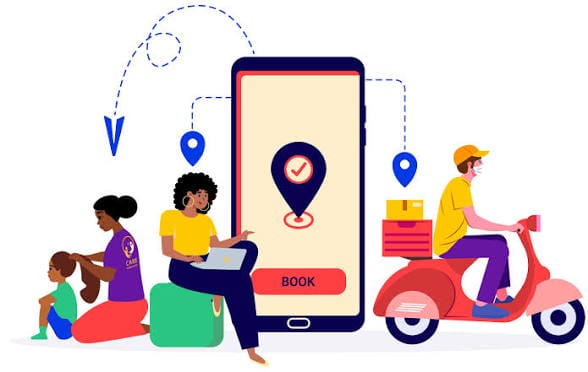
The gig economy 2026 presents a mixed reality. On the surface, it offers flexibility, independence, and quick income opportunities. However, beneath that promise, many workers still face instability, rising competition, and limited protections.
So, is the gig economy actually improving, or are the cracks becoming harder to ignore?
What Defines the Gig Economy Today
The gig economy includes freelancers, ride-hailing drivers, delivery riders, remote contractors, and digital service providers. Platforms like Uber, Bolt, Upwork, and Fiverr continue to power this system.
In 2026, the model has expanded beyond transport and small tasks. It now includes tech roles, design, content creation, consulting, and even AI-related jobs.
As a result, more professionals rely on gig work either as a primary income source or as a side hustle.
The Good: Flexibility and Access
First, flexibility remains the biggest advantage. Workers can choose when, where, and how they work. This level of control still appeals to students, parents, and people seeking extra income.
In addition, entry barriers remain low. You do not need advanced degrees to start earning on many platforms. With a smartphone and internet access, you can begin almost immediately.
Moreover, the global nature of gig platforms means you can earn from international clients. For many Nigerians, this provides access to stronger currencies and better-paying opportunities.
The Bad: Income Instability
However, income consistency remains a major issue.
Unlike traditional jobs, gig work rarely guarantees steady pay. Demand fluctuates daily. Algorithms also determine visibility, which means your income can drop without warning.
Furthermore, platform fees and commissions reduce earnings. On freelance platforms, service charges can cut significantly into your income.
Even worse, competition has increased. More people are joining the gig economy, which drives prices down in many categories.
Another major concern in the gig economy 2026 is the lack of long-term security.
Most gig workers do not receive:
- Health insurance
- Pension contributions
- Paid leave
- Job protection
This means workers must plan their own financial safety nets. For many, that is easier said than done.
As inflation rises in markets like Nigeria, the absence of structured benefits becomes even more challenging.
The Role of Technology and AI
Technology continues to reshape gig work.
AI tools now help freelancers work faster. Writers, designers, and developers use AI to boost productivity and deliver more value.
However, AI also introduces new risks. Some tasks are becoming automated. Basic writing, simple design, and repetitive digital work now face heavy competition from AI tools.
As a result, workers must continuously upgrade their skills to stay relevant.
Is Regulation Catching Up?
Governments and regulators are starting to pay attention.
In some regions, gig workers now receive limited protections, including minimum wage guarantees and insurance coverage. However, these policies remain inconsistent globally.
In Nigeria and many developing markets, regulation is still evolving. Workers often operate without formal protections, which increases their exposure to risk.
So, Better or Worse?
The answer is not simple.
The gig economy offers real opportunities. It creates income paths for millions. It also enables flexibility that traditional jobs cannot match.
At the same time, it shifts responsibility from employers to workers. You earn more freedom, but you also carry more risk.
Final Thoughts
The gig economy 2026 is neither entirely better nor entirely worse. It is more complex.
For some, it is a powerful tool for financial independence. For others, it is a system that demands constant hustle with little stability.
The key difference lies in how you approach it. Those who treat gig work like a business, build strong skills, and diversify income streams are more likely to succeed.
Everyone else may find that the reality feels tougher than it first appeared.


