


Emerging markets are no longer following the payments playbook, they are rewriting it. In cities and small towns across Africa, Asia, and Latin America, people are moving from cash to mobile wallets, QR codes, and agent-led payment networks faster than many legacy systems expected.
That shift matters because digital payment trends in emerging markets are not just about convenience. They are reshaping how people save, spend, borrow, and run businesses, especially in places where traditional banking never reached everyone equally.
What Is Driving the Shift?
A few forces are working together at once. Smartphone adoption is rising, mobile internet is cheaper than before, and consumers increasingly expect instant, low-friction payments. On top of that, many markets faced real-world pressure, from cash shortages to long bank queues, which pushed everyday users toward digital alternatives.
For Africa specifically, the momentum is strong. GSMA says mobile money continues to expand globally, and the IMF reports that digital transactions in emerging and developing economies have climbed sharply in recent years. That is not a minor tweak, it is a structural change in how money moves. (financialnigeria.com)
The Biggest Payment Trends to Watch
1. Mobile Wallets Keep Expanding
Mobile wallets are becoming the default entry point for many first-time digital users. They are simple, fast, and often cheaper than card-based systems, which makes them especially useful in markets where banking access is uneven.
In Nigeria, for example, TechCity has reported major growth in both POS and mobile money activity, showing how quickly users and merchants can move when digital rails are practical and available. That same pattern is showing up in other emerging economies too. (techcityng.com)
2. QR Payments Are Winning on Simplicity
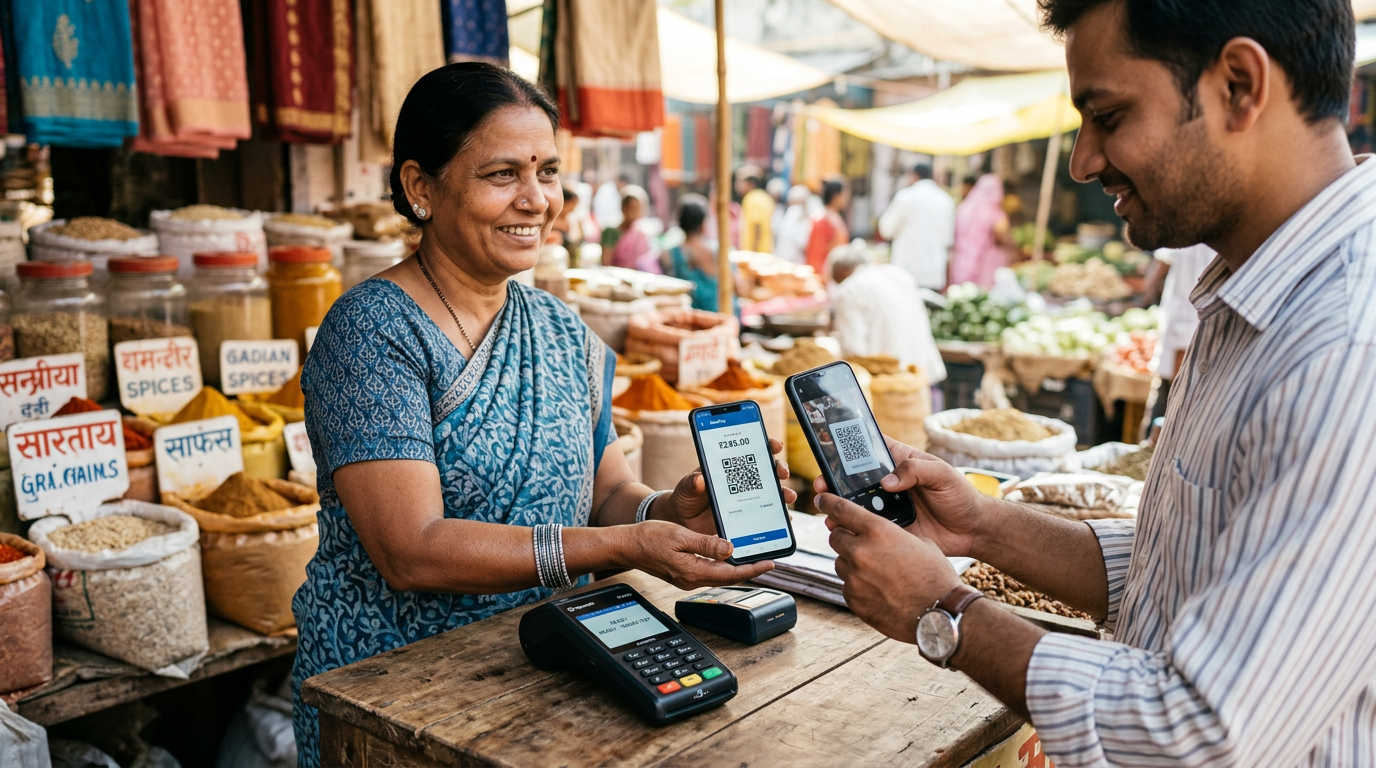
QR codes have become a powerful bridge between informal commerce and digital finance. Merchants like them because they are inexpensive to deploy, and customers like them because they remove the need for cash or expensive cards.
The model works particularly well for micro-merchants, market stalls, transport operators, and small service businesses. In markets where low transaction costs matter, QR can scale faster than traditional card infrastructure. (mckinsey.com)
3. POS and Agent Networks Still Matter
A lot of people think digital payments are only about apps. In reality, agent networks and point-of-sale infrastructure are still crucial in emerging markets, especially where trust, cash-in and cash-out, and last-mile support remain important.
Nigeria is a great example. TechCity reported a surge in POS transactions in 2024, alongside rapid terminal deployment. That tells you something important, growth is not only happening online, it is happening through physical payment touchpoints too. (techcityng.com)
4. Interoperability Is Becoming a Competitive Advantage
The winners are increasingly the systems that can talk to other systems. Consumers do not want to think about whether a payment is bank-to-bank, wallet-to-wallet, or wallet-to-merchant. They just want it to work.
That is why policymakers and industry players are focusing more on interoperable rails, instant transfers, and cross-border connectivity. The BIS and World Bank have both highlighted fast payments and better integration as key to inclusion and growth. (blogs.worldbank.org)
5. SMEs Are Driving Real Adoption
Small businesses are often the strongest accelerators of payment adoption. Once a barber, retailer, restaurant, or logistics operator starts accepting digital money, the customer side usually follows quickly.
This is why fintechs across Africa and other emerging markets are building merchant tools, inventory features, lending add-ons, and settlement services, not just payment buttons. The transaction is now only the first step in a broader business relationship. (techcityng.com)
Why This Matters for Consumers and Businesses
For consumers, digital payments mean more speed, more choice, and in many cases better access to financial services. For SMEs, they unlock recordkeeping, faster settlement, and easier access to customer data.
For startups and fintech builders, the opportunity is even bigger. The market is moving from basic payments to embedded finance, merchant services, credit, savings, and cross-border settlement. In other words, payments are becoming the front door to a much larger financial ecosystem. (bcg.com)
The Risks Nobody Should Ignore
Progress does not erase the hard parts. Fraud, failed transfers, identity verification, device theft, and uneven internet access still create friction. Trust remains the currency behind the currency.
That means the next phase of growth must include stronger security, better consumer education, and smarter regulation. The markets that get this balance right will build more durable payment ecosystems than the ones that only chase volume. (gsma.com)
What Comes Next
The next wave will likely be defined by three things, better interoperability, more merchant-led innovation, and stronger cross-border payment links. If those pieces come together, digital payments will stop being a feature and become core economic infrastructure.
That is the real story here. Emerging markets are not catching up in a straight line, they are leapfrogging old systems and building payment networks designed for today’s realities.
Ready to Follow the Money?
If you want to stay ahead of fintech shifts, startup moves, and the technologies shaping commerce across Africa and beyond, keep reading TechCity. We cover the global tech stories that matter, from Lagos to London and from Nairobi to New York. Visit TechCity for more timely analysis, product coverage, and market insights.
Conclusion
Digital payments in emerging markets are evolving fast, and the biggest winners will be the platforms that are simple, secure, and connected to real-world commerce. Mobile wallets, QR codes, POS terminals, and interoperable rails are not competing ideas anymore, they are part of the same growth engine.
For consumers, that means more convenience. For businesses, it means better cash flow and wider reach. For the broader economy, it means a financial system that is finally starting to fit how people actually live and trade.


