


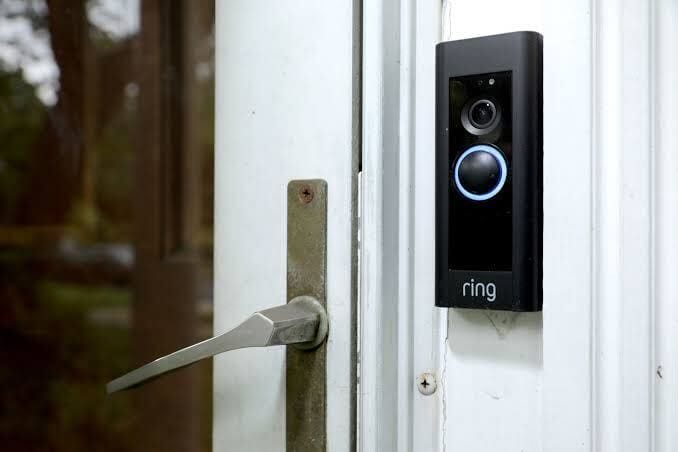
Amazon-owned smart doorbell company Ring is facing fresh privacy concerns after entering a partnership with Flock Safety, an AI-powered surveillance camera company used by law enforcement across the US. The news was confirmed in a letter sent by US Senator Ron Wyden to Ring, revealing that Flock has previously granted access to agencies like the Secret Service, US Navy, and Immigration and Customs Enforcement (ICE) without proper safeguards.
How the partnership works
The collaboration is through Ring’s Community Request program, a system that lets local police request user video footage directly from Ring owners. With the new partnership:
- US law enforcement agencies using FlockOS or Nova systems can now send video requests to Ring users.
- These requests appear inside the Ring Neighbors app for people living in targeted locations.
- Each request must include:
- Details of an alleged crime
- Time and location
- A unique investigation code
- Details of an alleged crime
Ring says responding is optional, and users can disable these notifications if they wish. The company also claims police cannot see who receives or rejects a request. The rollout will begin in the coming months.
Why this raises privacy concerns
Ring has a long history of criticism over data sharing with police. In 2024, it discontinued its controversial “Request for Assistance” feature but still allows warrantless footage sharing during “emergencies.” Privacy advocates warn that partnerships like this normalize surveillance and may pressure users into handing over home video data without legal protection.
Senator Wyden’s letter accuses Flock of providing broad access to law enforcement agencies without transparency. With Flock’s network spanning police departments across 40 US states, the integration with Ring could dramatically expand private surveillance access.
What Ring users can do
If you own a Ring device, you can:
Avoid uploading personal footage to the cloud if unnecessary
Disable Community Request Notifications in the Neighbors app
Review your privacy settings regularly


