

Technology is no longer something that sits outside local life, it has become part of how communities speak, shop, learn, celebrate, and build identity. When people talk about the impact of tech on local culture, they are really talking about how everyday habits change when digital tools enter homes, markets, schools, and streets.
That change is not one-sided. Tech can help preserve language, amplify local creators, and expand access to opportunity. It can also flatten culture, push global trends faster than communities can adapt, and reward the loudest voices instead of the most rooted ones. The real story is the tension between connection and erasure, growth and displacement.
How Digital Tools Are Changing Daily Life
The most visible shift is in communication. Messaging apps, short video platforms, and social networks have made it easier for people to stay connected across neighborhoods, cities, and countries. A grandmother in Lagos can now see her grandchildren in London in seconds, and a musician in Nairobi can build a following without a record label.
But there is a tradeoff. As people spend more time online, local expressions of language, humor, and storytelling often compete with global internet culture. What wins attention online can begin to shape what people wear, how they speak, and even what they consider modern.
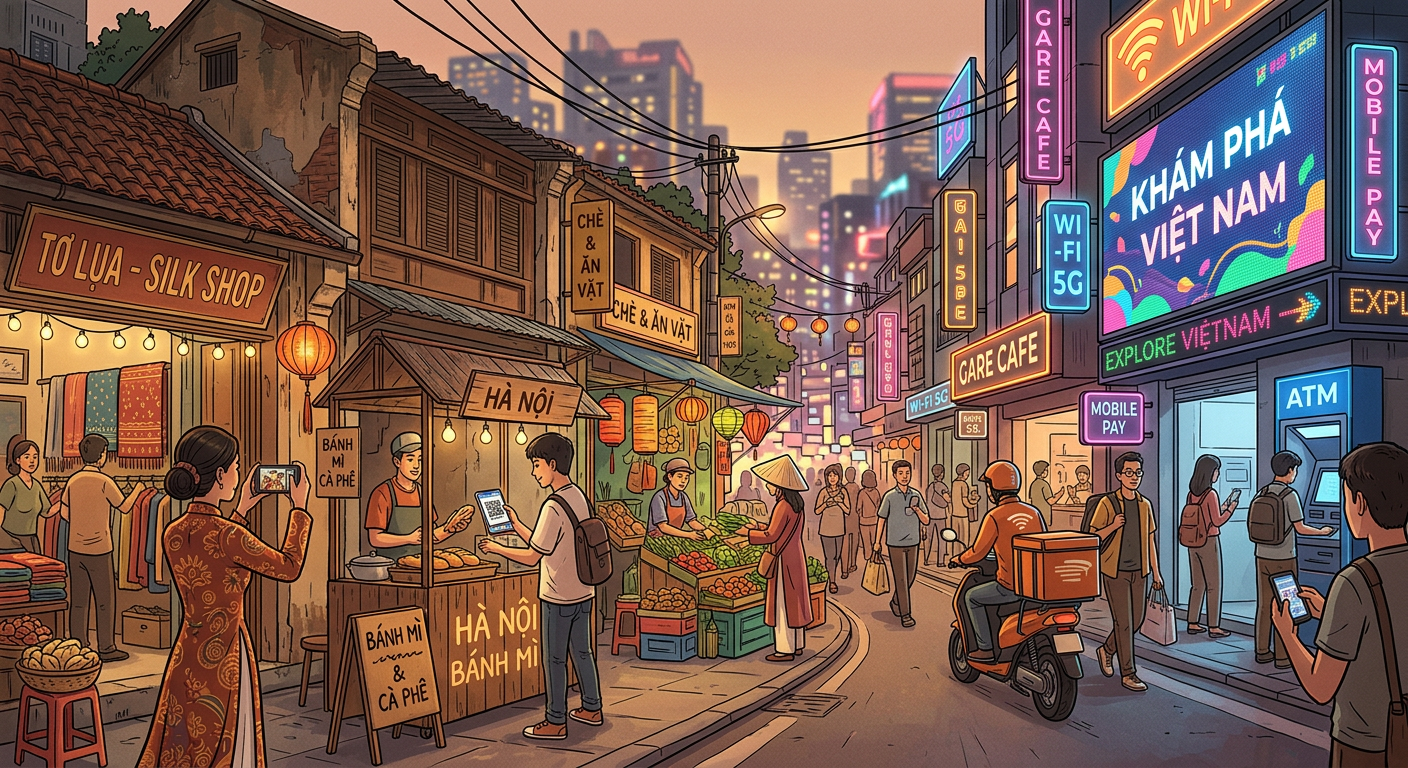

The Positive Cultural Effects of Technology
1. Stronger access to local creativity
Creators no longer need traditional gatekeepers to reach audiences. Local artists, comedians, chefs, and writers can publish directly to the public, which helps regional culture travel farther than ever before.
2. Better preservation of language and heritage
Digital archives, podcasts, and video platforms make it easier to record oral history, document festivals, and teach endangered languages. Used well, tech becomes a preservation tool, not just an entertainment machine.
3. New economic space for cultural products
E-commerce and mobile payments have helped local fashion, food, crafts, and music turn culture into income. That matters because culture survives more easily when it can sustain the people who create it.
4. More participation from young people
Young people often lead the adoption of new tools, and that can bring fresh energy to cultural expression. They remix old traditions in new formats, from short-form storytelling to digital fashion and online community events.
The Risks: What Tech Can Erode
The impact of tech on local culture is not always positive. Global platforms often reward trends that are easy to copy, fast to consume, and broadly legible. That can crowd out slower, more locally specific forms of expression.
There is also the risk of cultural performance becoming algorithm-driven. When people create mainly for likes, shares, and views, they may simplify traditions into content. What begins as celebration can slide into packaging, where culture is reduced to a visual aesthetic instead of a living system.
Cultural homogenization
Streaming, social media, and global retail can make different places feel oddly similar. If everyone is watching the same creators, buying the same products, and using the same slang, local distinctiveness starts to fade.
Language loss
When digital spaces favor dominant languages, smaller languages can lose visibility. Over time, that affects more than vocabulary. It can weaken how younger generations understand family stories, local wisdom, and community memory.
Unequal access
Not every community has the same internet quality, device access, or digital skills. That means the benefits of tech can reach some groups quickly while leaving others behind, widening cultural and economic gaps.
Why Local Context Still Matters
Here’s the thing, technology does not erase culture by itself. People shape how it is used. A community that chooses to document its history, support local creators, and teach digital skills can turn tech into a cultural advantage.
That is why local institutions matter. Schools, media brands, startups, creators, and community leaders all influence whether tech becomes a bridge or a bulldozer. Platforms such as TechCity can help by highlighting local innovation, regional startup stories, and the people defining digital culture from the ground up.
What Businesses and Creators Should Do Next
If you run a business, create content, or build products, the lesson is simple. Don’t just import global trends, translate them for your market. Cultural relevance is not decoration, it is strategy.
- Use local language where it fits naturally
- Feature community stories, not just polished ads
- Support local artists, vendors, and creators
- Build products around real regional habits
- Treat culture as an asset, not a marketing gimmick
That approach creates trust. And trust is what turns attention into loyalty.
The Future of Local Culture in a Digital World
The future is not tech versus culture. It is culture with tech, culture against tech, and culture reshaped by tech, all at once. Communities that understand this early will have more control over how their stories evolve.
The winners will not be the places with the most technology. They will be the places that use technology intentionally, to strengthen identity, support creators, and keep local meaning alive in a global digital economy.
Take the Conversation Further
If you care about how innovation shapes identity, keep following the stories that connect technology, business, and everyday life. Visit TechCity for more tech news, startup insights, and practical analysis that helps you understand what is changing and why it matters.
Conclusion
Technology is changing local culture in visible and invisible ways. It can preserve, amplify, and commercialize tradition, sometimes all at the same time. The real question is not whether tech will influence culture, because it already does. The question is whether communities will use it to protect what matters most while creating room for something new.