



Many designers focus on improving their skills but overlook an important factor: networking. A strong network can help you land speaking engagements, connect with industry leaders, and attract high-value opportunities.
Building a network is not just about meeting people; it’s about creating relationships that lead to opportunities. If you want to speak at top tech events, grow your influence, and establish a profitable personal brand, you need a clear strategy.
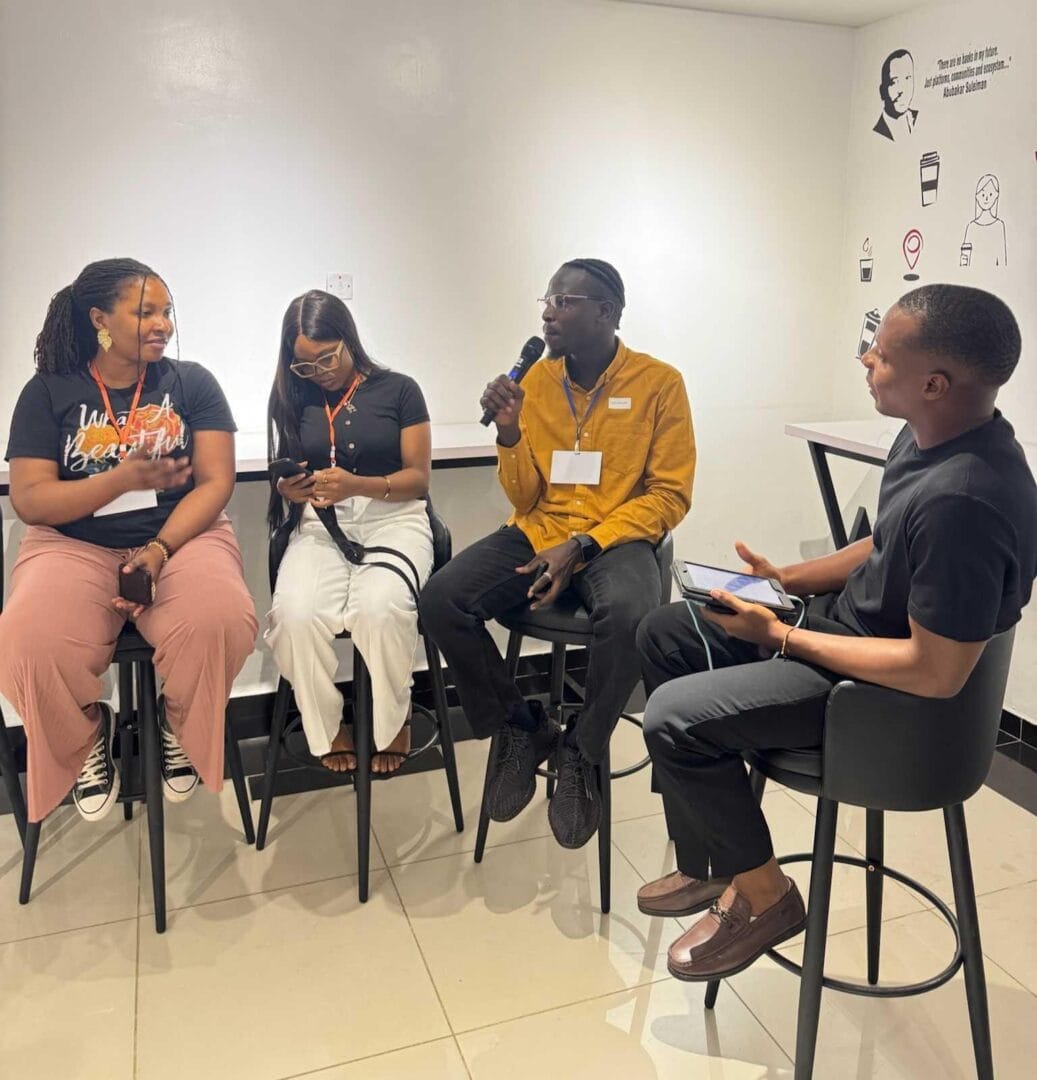
This guide will show you when to start building your network and how to position yourself for speaking engagements and branding success.
When should you start building your network?
The short answer: as soon as possible. You don’t need to be an expert to start networking. The earlier you begin, the better.
Here’s how to approach it based on your career stage:
- Early-stage designers: Focus on learning and engaging with other designers. Join online communities, share your projects, and connect with peers.
- Mid-career designers: Start positioning yourself as an expert. Write about your experiences, share design insights and essays, and participate in discussions.
- Established designers: Use your experience to mentor others on platforms like ADPList, collaborate with top designers, and seek speaking engagements at industry events.
Branding yourself should not be an afterthought—it should evolve alongside your career. The key is to start where you are and build from there. So, what should you be doing?
1. Build your online presence
A strong online presence makes it easier for people to find and trust you. This is crucial if you want to get speaking engagements and build a profitable brand. Where to Focus:
- LinkedIn: Share design case studies, post about industry trends, and engage with event organisers.
- Twitter/X: Participate in design conversations, follow tech event organisers, and contribute to trending topics.
- Instagram/Dribbble/Behance: Showcase your work in a way that highlights your skills and design thinking.
- Personal website: Create a simple portfolio with a blog. Writing about your experiences and insights can position you as a thought leader.
Consistency is key
- Post regularly (even if it’s once a week).
- Share your learnings, projects, or behind-the-scenes processes.
- Engage with others—comment on their posts, answer questions, and start conversations.
The more visible and valuable you are online, the more likely people will notice and invite you to events.
2. Join and engage in design communities
Being part of a strong design community can open doors to speaking engagements, collaborations, and industry recognition. The more you engage, the more visible you become.
Where to network online
- LinkedIn Groups: Join UX/UI, product design, or branding communities. Participate in discussions and share insights.
- Twitter/X: Follow design influencers, comment on their posts, and contribute to trending conversations.
- Slack and Discord Communities: Join groups like Designership, UX Mastery, and Friends of Figma to meet industry professionals.
- Reddit and Facebook Groups: Engage in Q&A sessions, share your work, and offer design advice.
- Google Developer communities: People from Google Developer Groups (GDG) are some of the most-cracked creatives I’ve worked with. They’re not exclusively for designers—but every techie is welcome. I did good work with the people of GDG Lokoja, and it still holds one of my fondest memories networking as a professional designer.
- Independent design communities: Aside GDG, there are other top design communities you can join; like Àṣà Coterie or Roadtrip Community, for example. Simply searching for them online, or asking among your friend circles, will help you discover them quicker.
Offline networking matters too
- Attend local design meetups and hackathons. These events are great for meeting organisers of bigger tech conferences.
- Go to major tech and design events. Conferences like Adobe MAX, Figma Config, and UXDX often invite active community members to speak.
- Volunteer or help organise events. Being involved behind the scenes can get you direct access to event organisers.
How this helps you get speaking gigs
Event organisers look for designers who are knowledgeable and active in the community. If you regularly share insights and engage in discussions, they are more likely to notice you.
3. How to get speaking engagements at top tech events

Speaking at industry events builds your reputation and expands your professional network. But how do you get on stage?
Start small and build up
- Speak at local meetups. Many cities have design communities that host free talks. Reach out and offer to share your knowledge.
- Join X Spaces, podcasts, and webinars. These are low-barrier ways to start speaking and build confidence.
- Give talks at your company. Internal presentations are a great way to practice and gain visibility.
Pitch yourself to conferences
- Find tech and design events with open speaker applications. Many conferences post Call for Proposals (CFPs) on their websites.
- Submit a unique topic. Don’t just pitch “How to be a better designer.” Instead, propose specific insights like “How AI is changing UX research.”
- Show proof of your expertise. A blog post, case study, or past talk will strengthen your application.
Connect with event organisers
- Engage with them on LinkedIn and Twitter before you pitch.
- Comment on their posts, share their events, and attend their past conferences.
- If possible, ask someone in your network to introduce you.
Once you land a speaking gig, more opportunities will follow. Organisers often recommend past speakers for other events.
4. Collaborate and network with industry leaders
To get high-value opportunities, you need to connect with the right people. Industry leaders, event organisers, and top designers can help open doors to speaking gigs and collaborations.
How to network with influential designers
- Engage with their content. Comment on their LinkedIn posts, share their work, and add valuable insights to their discussions.
- Send thoughtful messages. Instead of saying, “I admire your work,” ask a specific question or share how their content helped you.
- Offer value first. If they run a podcast or a newsletter, offer to contribute. If they host an event, ask if they need volunteers.
Attend VIP and invite-only events
Many high-profile networking opportunities happen outside of public conferences. To get in:
- Apply for design leadership programs like Figma’s Config Contributor Program or Adobe’s Creative Residency.
- Invest in premium events. If possible, pay for a ticket to closed networking sessions where industry leaders gather.
- Ask for introductions. Once you build relationships with people in the industry, they can invite you to exclusive events.
The more you position yourself as an engaged, knowledgeable designer, the more industry leaders will take notice.
5. Monetise your network and personal brand
Once you’ve built a strong network, you can turn it into profitable opportunities.
Ways to earn from your network
- Consulting and workshops: Companies and design teams will pay for your expertise if you establish yourself as a thought leader.
- Speaking fees: After a few unpaid speaking engagements, you can start charging for your time.
- Paid partnerships: Brands that create design tools (like Figma, Adobe, or Webflow) often partner with influential designers for promotions.
- Course creation: Package your knowledge into an online course or ebook. Many designers make extra income teaching what they know.
The key to building a high-value, profitable network as a designer
- Be consistent. Keep sharing valuable content so your network stays engaged.
- Position yourself as an expert. Focus on a niche area where you can stand out.
- Know your worth. Once demand for your time increases, start setting rates for speaking and consulting.
Your network is not just about who you know—it’s about how much value you bring. The more useful and visible you are, the more profitable your brand becomes.
Finally, I’ll leave you with this…
The best way to stand out in the design field is to do more recognisable, useful work. The more you do work that people are curious about, the more people will ask you to come talk about it.
In essence, the hack is to do great work first, then talk about the great work that you’ve done.

I am Oyinloluwa Adedoyin, a product designer with 4+ years of experience. At Verifyme, a Nigerian reg-tech company offering fraud monitoring and compliance solutions, I serve as a Product and Motion Designer.
I’ve contributed to products like Gova, Pluto, and QoreID, applying design thinking to lead and shape the company’s design principles.