
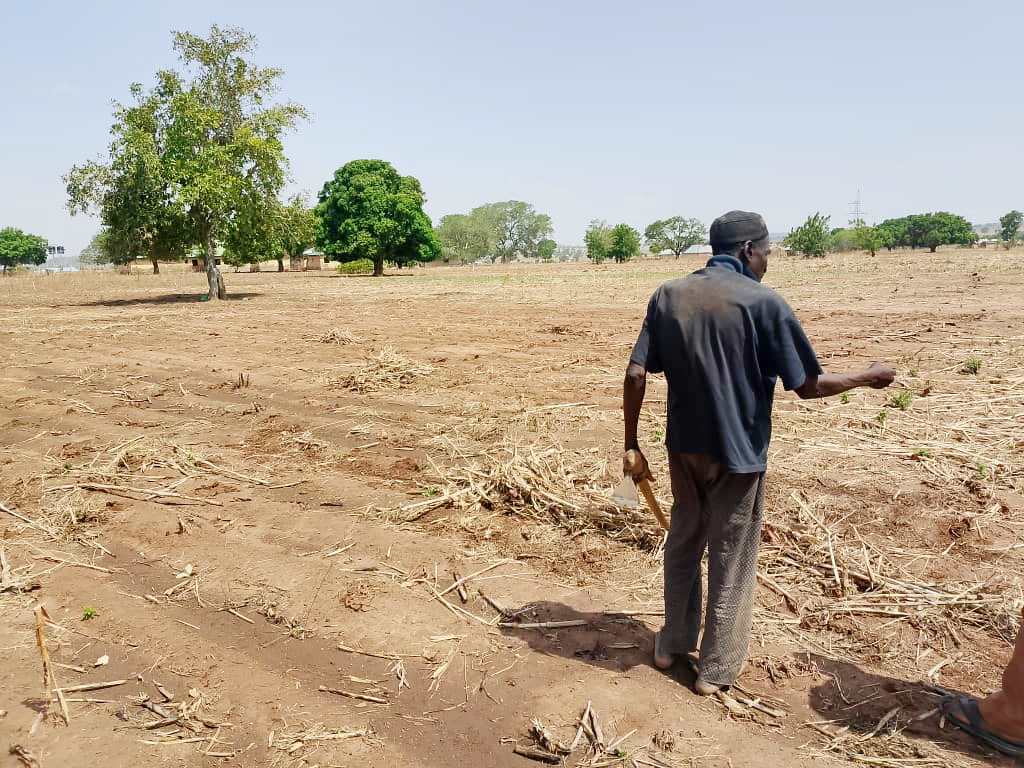
Abubakar Saidu has never heard of Digital Public Infrastructure (DPI), the technology framework Nigeria is increasingly relying on to distribute government services and subsidies.
He does not own a smartphone. The complexities of biometric verification are as foreign to him as the software updates that govern urban life.
He knows only one thing: the rain has been unpredictable this year, and his maize crop is failing. Despite being the kind of farmer Nigeria’s agricultural reforms are meant to support, Abubakar exists outside the digital systems now shaping access to government intervention.
Standing in the red dust of his farm in Ishau, a remote community in Niger State, plagued by armed banditry and insecurity, Abubakar points toward a cell tower, miles away from his farm.
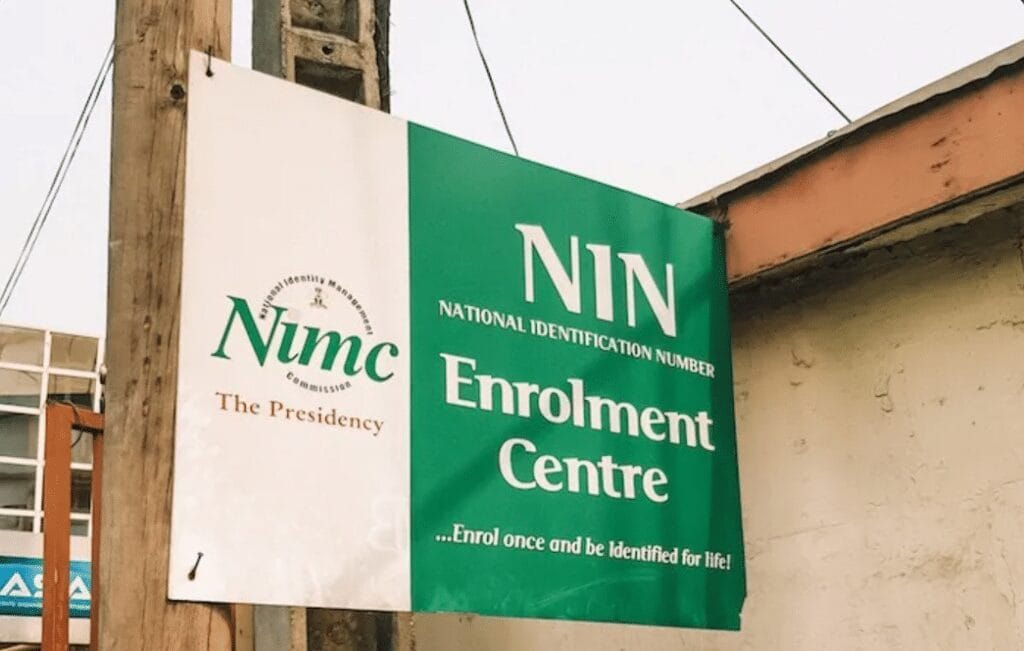
In his view, the Nigerian government’s promise of targeted aid through the new Government-to-Person (G2P) card is not for him. Accessing the card requires a National Identification Number (NIN), but to obtain one means travelling to a registration centre in Paiko, a journey he cannot afford either in time or in the meagre earnings from his harvest.
“I have never heard of this G2P card,” Abubakar says, wiping sweat from his brow. “And even if I had, I do not have an NIN. I only have my hands and this land.”
The Promise of a Digital Green Revolution
Nigeria’s digital agriculture reforms form part of a broader push toward DPI, systems that use digital identity, payments, and data platforms to deliver public services more efficiently.
Across Africa, governments are increasingly adopting DPI to improve welfare distribution, reduce corruption, and expand financial inclusion. In Nigeria, the National Identification Number (NIN) has become the backbone of that strategy, linking citizens to banking services, telecom registration, social protection schemes, and now agricultural interventions.
In January 2025, the Federal Ministry of Agriculture and Food Security (FMAFS) announced a technology‑driven National Digital Farmer Registry linked to NIN and powered by a Government‑to‑Person (G2P) biometric card. The goal was to link biometric data to specific farmland details, crop types, livestock, and land size, to build a comprehensive database that ensures interventions reach the intended recipients with precision and transparency.
Featuring an advanced in-card chip that stores KYC (Know Your Customer) data, fingerprints, and digital wallets, the card would allow the government to deploy targeted agricultural interventions, from fertiliser subsidies to loan disbursements, through a single, unique identity, theoretically eliminating corruption in the sector.
But as the months turned into a year, the initiative has yet to take off.

The Mystery of the “Launched” Card
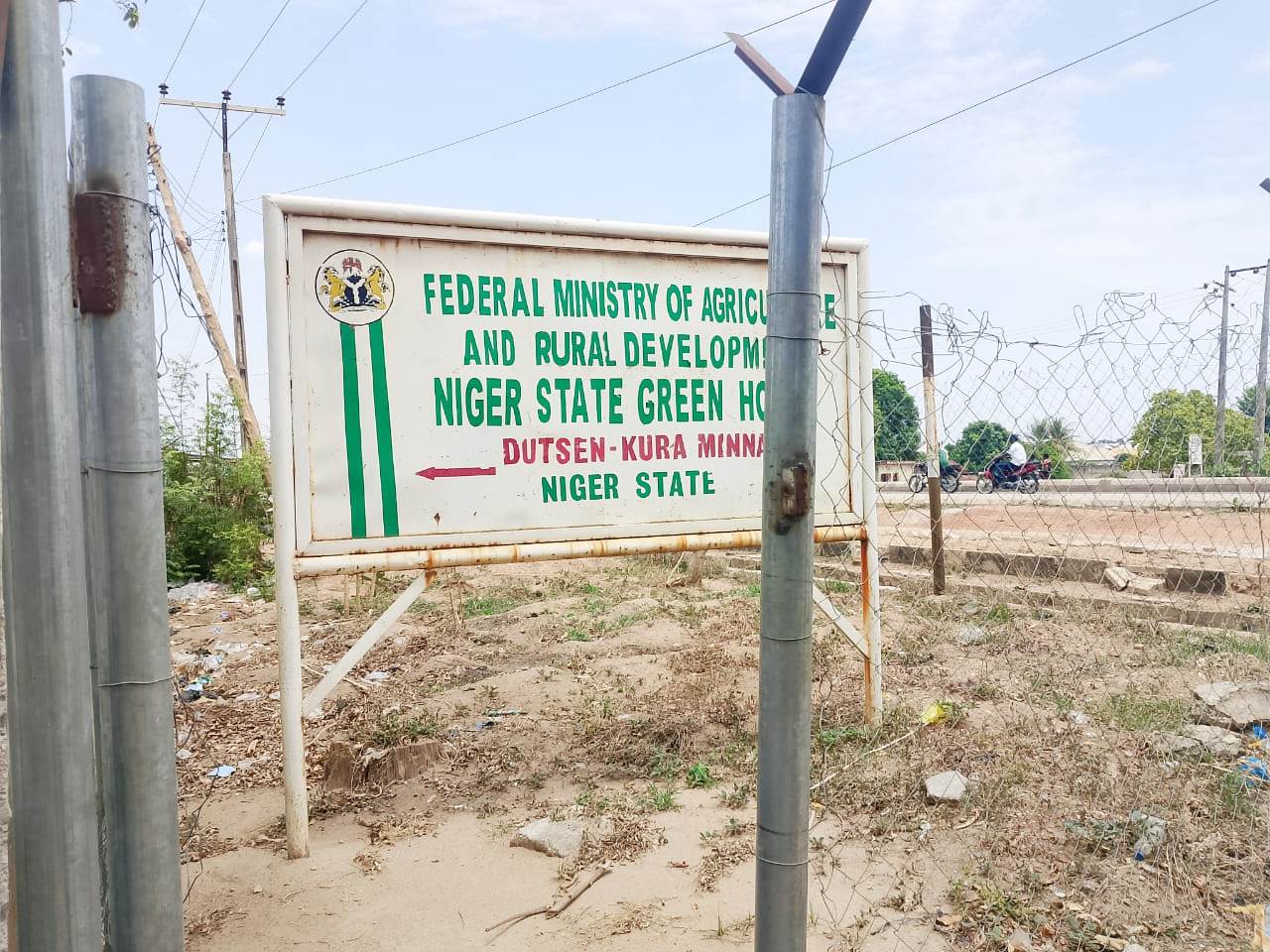
Last year, reports in the media suggested that this G2P card system was launched and already operational. However, our investigation at the ground level suggests otherwise. When TechCityNG asked the National Identity Management Commission (NIMC) for clarity on the status of this digital solution, the response revealed a disconnect between public perception and administrative reality.
In an interview, the Head of Corporate Communications of NIMC, Dr. Kayode Adegoke, clarified that the card is still in the works.
“The G2P card has been designed, but it is still in the pipeline. It is awaiting approval from Mr. President, Bola Ahmed Tinubu,” Dr. Adegoke stated. “Everything is on course, and it will be launched soon. Harmonisation linking the biometric data with the NIN has been concluded, and the foundational identity is built on the NIN.”
When pressed for clarification on why the media ran headlines last year proclaiming that the G2P card had already been launched, Dr. Adegoke explained that “Those headlines may have been worded wrongly. A launch is yet to happen. Once the President signs off, journalists will be invited to the official launch.”
For the farmers relying on the promise of the G2P card, the “awaiting presidential approval” clause could stretch indefinitely, especially in a political environment where priorities shift with election cycles.


Innovation amidst an Analogue Reality
Nigeria’s DPI ambitions are unfolding alongside one of the continent’s fastest-growing fintech ecosystems. But outside major cities, the infrastructure required to participate in digital systems remains deeply uneven.
According to data from GSMA, about 130 million people lack access to reliable mobile internet. Furthermore, 90 million citizens live without access to the national electricity grid.
This creates a contradiction. The government is building a digital solution to improve agricultural inclusion while millions of its citizens still operate outside the margins of formal systems.
To understand the gap between federal policy and local reality, we spoke with Mathew Ahmed, the Permanent Secretary of the Niger State Ministry of Agriculture.
“To the best of my knowledge, there is nothing like the ‘G2P card’ being implemented here,” Ahmed admitted. Instead, he pointed to existing state interventions like the National Agricultural Growth Scheme – Agro-Pocket (NAGS-AP), the FADAMA Niger State Grant (FADAMA NG-CARES), and fertiliser subsidies.
“These are very supportive programmes,” Ahmed admitted, ‘but they all share one common requirement, which is the NIN. Without that, the system simply does not recognise the farmer.”
Engineer Abubakar Abdulkadir, Personal Assistant to the State Coordinator of the FMAFS in Niger State, echoed this sentiment. “The G2P card may have been introduced last year, but I haven’t heard about its usage on the ground,” he said. “The challenge isn’t just the card; it’s the process of getting the identification required to participate in any of these federal or state-level interventions.”

Frustration in the Queue
In Farin Shinge, Zubaida Malik, a widow and small-scale farmer, embodies the systemic failure of the current registration process.
“I went to a NIN registration centre in Kontagora,” she recounts. “The officer told me the system was down because there was no power. I came back the next week and waited for three hours. Even with my NIN, I am yet to enjoy any support. If this G2P card can actually get to people like us, it will be very helpful.”
A farmer’s time is their most valuable currency. When they spend days traveling to a city, waiting in lines, and hoping for electricity just to register for a card that may or may not arrive, they are losing the time they need to feed the nation.
The “Exclusion Tax”
The necessity for digital public infrastructure in agriculture has become more evident as it provides foundational, open-source systems, such as digital identities, unified registries, and data exchange. By treating agricultural data as a shared public good, rural farmers can move away from subsistence farming toward data-driven commercial competitiveness.
Without access to government-subsidised fertilisers and low-interest loans, remote farmers are forced to buy from predatory middlemen. For instance, while the government-subsidised price for fertiliser sits at 30,000 naira in Niger State, farmers often pay double that amount in the open market.
They are essentially paying an “exclusion tax” for living in areas where digital infrastructure does not reach.
In Ibeto, Bashir Ibrahim, a nomadic cattle herder, moves with the seasons. He has no fixed address, making the National Digital Farmer Registry a theoretical concept that holds no meaning for his livelihood.
“We hear on the radio that the government has sent help for farmers,” Bashir says. “We ask community heads about how to get it, and they say, ‘You are not in the computer.’ So, what do we do? We just keep moving.”
Beyond Digital Gatekeeping
The move toward digital transformation could, if implemented correctly, reduce corruption and prevent the siphoning of resources, that is if universal digital access is achieved.
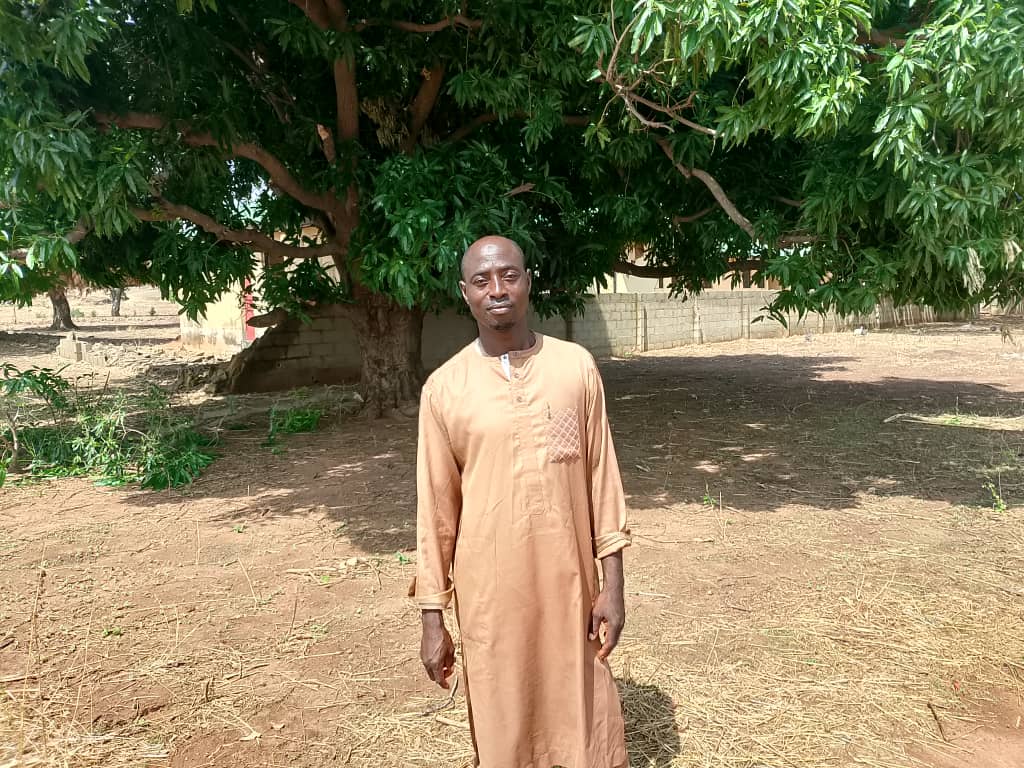
Halima Musa, a community project advisor for Youths in Health and Sustainable Social Inclusion, argues that the current approach is effectively back-to-front.
“We are building a sophisticated digital solution,” she says, “but we forget that if the remote farmer cannot easily access the registration process, the solution only serves the people who are already connected. It becomes a gatekeeper rather than an empowerment tool.”
Musa proposes a practical, hybrid approach. “Instead of an app-first strategy, the government should utilise trusted community leaders, those who know who is actually farming, to verify farmers who have been on the land for generations. The NIMC needs to deploy mobile biometric units directly to rural markets and farming clusters.”
Bringing Policy to the Soil
As the nation waits for the official launch of the G2P card, a launch that Dr. Adegoke assures us is coming, the fundamental question remains whether the technology will bridge the divide or widen it.
For farmers like Abubakar Saidu, Bashir Ibrahim, and Zubaida Malik, the promise of a digital future is empty as long as their present remains defined by the absence of basic infrastructure.
As Halima Musa concludes, “Technology should serve the people, not the other way around. If Nigeria’s digital revolution is to be a success, it must learn to speak the language of those it claims to represent.”
This report is produced under the DPI Africa Journalism Fellowship Programme of the Media Foundation for West Africa and Co-Develop.