


Mobile money has reshaped daily life across West Africa, turning phones into wallets and informal agents into neighborhood banks. In this guide you will get a clear, practical explanation of how mobile money systems operate, who the key players are, and what this means for consumers, small businesses, and startups.
Boldly put, how does mobile money work in West Africa is a question about people, networks, and trusted rails. Below I break the technology and the business model into simple steps, then walk through use cases, risks, regulation, and opportunities for entrepreneurs.
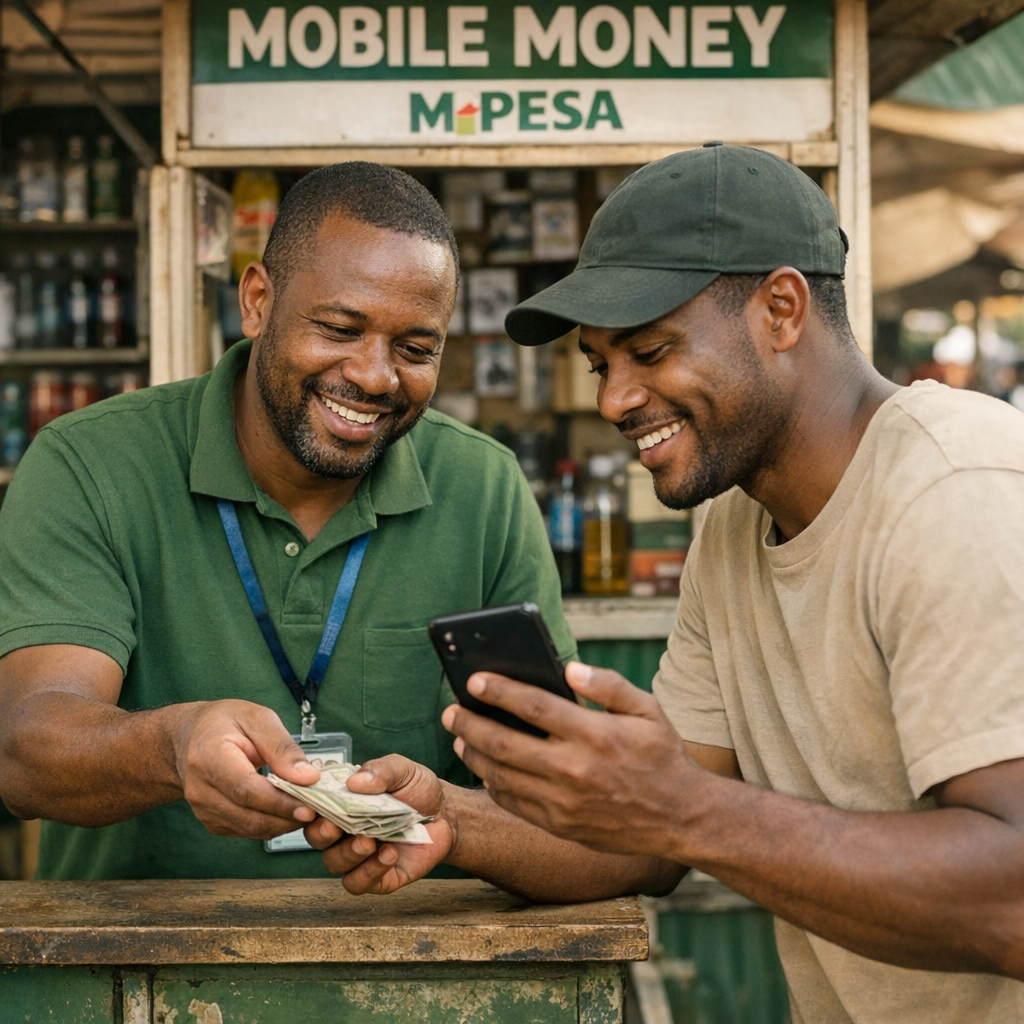
How mobile money actually works, step by step
1. The wallet, the phone, and the account
- Mobile money starts with a digital wallet linked to a phone number, not necessarily a bank account. Users register with an agent or via the operator app, provide ID where required, and receive a wallet balance that lives on the operator's platform.
- Wallets store e-value, which is moved by messages over mobile networks, secure APIs, and backend ledgers.
2. Cash-in and cash-out through agents
- Agents are local shops or kiosks that accept cash to load a user’s digital wallet, called cash-in. They also convert wallet funds back to cash, called cash-out.
- This agent network is the on-ramp and off-ramp for most users, especially where bank branches are scarce.
3. Sending, paying, and merchant acceptance
- Once funded, users can send money person-to-person, pay merchants, buy airtime, settle bills, or save in limited micro-savings offerings.
- Payments use simple USSD menus, mobile apps, or QR codes depending on the provider and user device.
4. Settlement and backend operations
- Behind the scenes, operators reconcile transactions across agent float balances and the central ledger. Large providers connect with banks for liquidity management and sometimes enable interoperability between networks.
Key players in the ecosystem
Mobile network operators and fintechs
- Telcos historically rolled out the first services, leveraging SMS and USSD to reach basic phones. Independent fintechs now provide complementary services, targeted products, and merchant tools.
Agents and merchants
- Agents perform the essential physical cash handling. Merchants accept mobile money directly, often with simple merchant codes or QR scanning.
Regulators and banks
- Central banks set rules for KYC, transaction limits, and consumer protection. Banks may provide settlement and trust accounts, and increasingly collaborate on interoperability.
Common technologies and channels
- USSD menus for feature phones, lightweight mobile apps for smartphones, QR codes for merchant payments, and APIs for integration with e-commerce sites and accounting systems.
- Security relies on PINs, device verification, and network encryption, though the weakest link is often human error or agent-level fraud.
Why mobile money works well in West Africa
- Cash scarcity in rural areas, high mobile penetration, and limited bank infrastructure created perfect conditions for mobile-first money.
- Fast person-to-person transfers, low barriers to entry, and wide agent networks made adoption rapid and sustained.
Typical fees and business model
- Operators earn revenue from transaction fees, merchant commissions, float interest, and value-added services like airtime top-ups or microloans.
- Fee structures vary, but many systems use small flat fees for person-to-person transfers and percentage fees for larger merchant transactions.
Risks and common problems
- Fraud at agent points, SIM swap attacks, and weak onboarding procedures can expose users to loss.
- Regulatory changes or liquidity issues at an operator can interrupt services, so many users spread balances across providers.
What regulation looks like, briefly
- Regulators focus on anti-money laundering, consumer protection, KYC, and operational resilience. Licensing requirements differ by country, but central banks are more active now than a decade ago.
Use cases: who benefits most
- Everyday consumers sending remittances to family, traders receiving payments quickly, small businesses adopting digital receipts, and startups building financial rails on top of wallets.
Practical tips for users and small businesses
- Verify agents visually, guard your PIN, and keep small balances in wallets to limit exposure.
- For merchants, use transaction receipts and reconcile agent float daily. Consider multiple providers to accept different customer wallets.
For founders and entrepreneurs: opportunity map
- Build merchant APIs, fraud-detection tools, reconciliation software, or UX-focused wallet apps for underserved segments.
- Partnerships with agent networks and banks are often necessary to scale and to meet regulatory requirements.
Frequently asked questions
How do I open a mobile money account?
You typically register with an agent or through a provider app, provide a valid ID, and set a secure PIN. Limits depend on KYC level.
Can I use mobile money across different countries in West Africa?
Cross-border services exist, but availability and cost depend on partnerships and regulatory approvals. Regional corridors are expanding slowly.
Is mobile money safe?
The platform infrastructure is secure, but user-level risks like PIN sharing or SIM swap attacks exist. Use strong PINs and monitor transactions.
How much does it cost to send money?
Fees vary by provider, transfer size, and channel. Small transfers often attract fixed small fees, while larger merchant payments may use percentage-based fees.
Can businesses integrate mobile money into their online stores?
Yes, many providers offer APIs and plugins for e-commerce platforms to accept wallet payments and automate reconciliation.
What to watch next
- Expect growing interoperability between providers, deeper integration with banks, and more lending and savings products built on wallet history.
- Startups that simplify merchant onboarding, improve agent liquidity, or reduce fraud will find demand across the region.
Ready to learn more or take the next step?
Explore practical how-to guides, regional fintech updates, and product reviews at TechCity. If you are building a product or scaling an agent network, start with clear agent incentives and strong KYC controls.
Visit https://techcityng.com to stay informed and discover tools that help you build in West Africa's growing digital payments economy.
Conclusion
Mobile money in West Africa is more than tech, it is a socio-economic transformation. It works by combining simple wallets, dense agent networks, and mobile channels to move value where banks cannot. For consumers it means speed and convenience, for businesses it offers new revenue streams, and for founders it creates a playground of opportunity. Keep security and regulation front of mind, and focus on real-world usability when building or adopting mobile-money solutions.


