The shift to electric mobility is no longer a Silicon Valley story alone. Around the world, entrepreneurs, utilities, and governments are adapting technology, finance, and policy to fit local realities. In emerging markets this convergence is creating a different playbook for electrification, one built around affordability, alternative ownership models, and ruggedized hardware.
In this article we explore how the future of electric vehicles in emerging markets is likely to unfold, what is already working, and where opportunities for startups, investors, and policymakers lie.
Where demand is coming from
Electrification in emerging markets is driven less by high-end passenger car buyers and more by mobility economics. Ride-hailing drivers, delivery couriers, small logistics operators, and urban commuters see immediate cost benefits from switching to electric power, primarily via lower running and maintenance costs. Governments seeking cleaner air and lower import bills are adding policy incentives, and fintech models that convert high upfront costs into manageable payments are gaining traction.
Diverse vehicle classes, different dynamics
Two- and three-wheelers are leading adoption in many parts of Asia and Africa because they are cheaper to electrify and offer immediate fuel savings. Light commercial vehicles and last-mile delivery vans are next, because fleets can centralize charging and capture rapid ROI. Heavy trucks and long-haul use cases will take longer, pending battery density and charging network upgrades.
Charging, grid, and energy realities
Charging infrastructure in emerging markets will not mirror patterns in wealthier countries. Instead, expect:
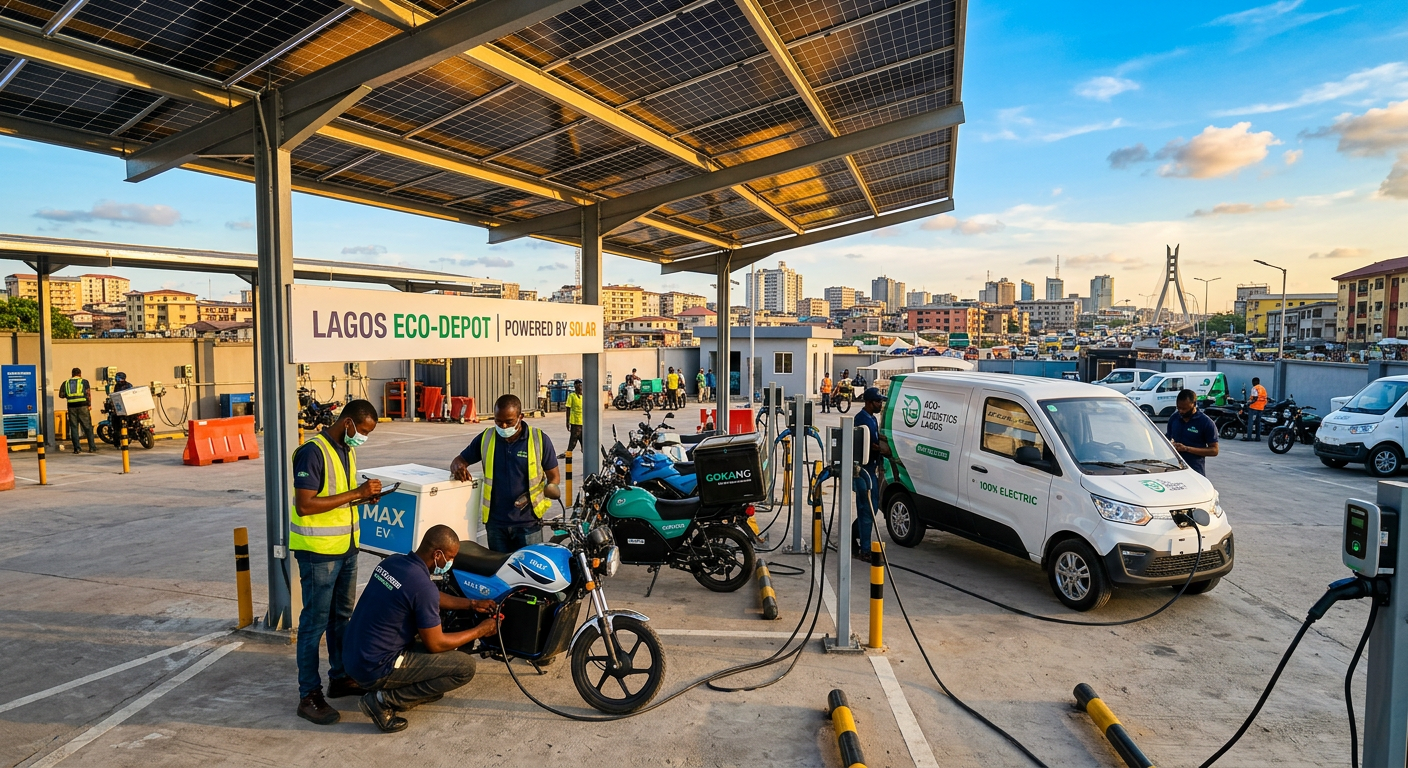
- Distributed, low-cost charging solutions, including solar-backed micro-grids and neighborhood charging hubs. These reduce dependence on fragile grids.
- Increased use of battery swap stations for two-wheelers and light EVs, where quick turnaround beats long fast-charging sessions. Battery swapping has been proven in multiple pilots to address range anxiety and reduce downtime.
- Smart charging and demand management, where EV charging is orchestrated to align with available renewable generation and lower tariffs.
This hybrid approach lets cities scale EV use without immediate, massive investments in ultra-fast public chargers.
Financing plus new ownership models
Here is the thing, upfront cost remains the biggest barrier. That is where mobility fintechs and creative financing win. Models include rent-to-own, subscription services, pay-as-you-go battery leasing, and fleet financing using telematics-based underwriting. A few startups already show this works at scale, deploying thousands of vehicles through partnerships with ride platforms and logistics companies.
These ownership innovations reduce the customer’s capital exposure, while giving operators access to fleet data, predictive maintenance, and flexible upgrades.
Local manufacturing and tropicalization
Emerging markets stand to gain when vehicles are adapted to local roads, climates, and maintenance ecosystems. Local assembly and component manufacture reduces costs, shortens supply chains, and builds jobs. We are already seeing regional players and startups design vehicles specifically for these markets, from battery-pack configurations optimized for heat, to chassis adapted for rough roads.
Companies building regional supply chains will have a competitive edge, and governments that support localized manufacturing with incentives can accelerate adoption.
Policy, regulation, and incentives
Policy choices matter more here than in mature markets. Efficient outcomes come from coordinated action across taxation, import duty adjustments, scrap-and-replace incentives, EV-friendly parking and congestion policies, and clear safety and battery recycling rules. Regulatory certainty encourages both established OEMs and local startups to invest.
Opportunities for entrepreneurs and investors
This transition creates several blue oceans:
- Mobility fintech that links usage data to tailored credit and insurance.
- Battery services, including second-life repurposing and recycling operations adapted to local waste streams.
- Localized vehicle design and assembly that prioritize repairability and low-cost parts.
- Charging-as-a-service models that bundle energy, hardware, and fleet management.
Investors should look for founders who couple product-market fit with deep local distribution and the ability to work across utilities and regulators.
Notable market examples and early wins
Several regional stories show how the model plays out in real life, from startups enabling EV fleet financing to local manufacturers launching electric vans and bikes. These early wins demonstrate that with the right mix of financing, infrastructure, and regulation, EV adoption can scale quickly and sustainably.
- Mobility fintech can enable fleet growth by spreading cost over time and linking repayment to earnings, a model used by operators expanding into new cities.
- Local assemblers and companies focused on two- and three-wheeler electrification are already reducing dependence on imported fuel.
Read more on related local developments and case studies on TechCity: “Nigerian EV company Siltech partners Glovo and Swapstation mobility” and coverage of mobility fintech funding such as “Moove Raises $10 Million”. For an example of a regionally built electric van, see our profile “Meet the JET EV, Nigeria's first electric-powered van by Jet Motor Company.”
- Nigerian EV company Siltech partners Glovo and Swapstation mobility: https://www.techcityng.com/nigerian-ev-company-siltech-partners-glovo-and-swapstation-mobility/
- Moove Raises $10 Million: https://www.techcityng.com/moove-raises-10-million/
- Meet JET EV, Nigeria's first electric-powered van: https://www.techcityng.com/meet-jet-ev-nigerias-first-electric-powered-van-by-jet-motor-company/amp/

Technical and environmental trade-offs
Batteries and lifecycle emissions are often debated. While EVs dramatically reduce tailpipe pollution, lifecycle carbon advantages depend on the electricity mix. Pairing vehicle electrification with renewable energy deployment, smart charging, and battery recycling yields the best outcomes. That is why many projects prioritize solar-plus-storage solutions for fleet depots.
What policymakers should prioritize
- Clear fiscal signals that lower the upfront cost of EVs.
- Standards for battery safety, recycling, and second-life use.
- Support for local manufacturing and skills development.
- Partnerships between utilities and private charging providers for grid-friendly rollout.
When regulation, finance, and local industry move together, adoption accelerates.
Where this is headed by 2030
Expect fast growth in urban two- and three-wheeler electrification, large-scale electrification of delivery fleets, and growing local assembly footprints. Passenger car electrification will accelerate where incentives and charging infrastructure converge. Battery swapping and modular battery strategies will become standard in dense urban corridors.
Get deeper coverage at TechCity
Stay informed about market shifts, funding rounds, and product launches that shape electrification in Africa and beyond by visiting TechCity. We track the startups, policy moves, and technology trends that matter to entrepreneurs and investors. Explore more at https://techcityng.com
Conclusion
The future of electric vehicles in emerging markets will not be a copy of wealthy countries, it will be smarter and more pragmatic. Solutions that reduce upfront cost, integrate local energy systems, and adapt hardware to real roads will win. For founders and investors, the opportunity is to build ecosystems, not just vehicles. For policymakers, the opportunity is to create markets where clean mobility is affordable, reliable, and locally sustainable.
TechCity delivers cross-continental tech intelligence that helps you spot opportunities before they become obvious, from Lagos to London and beyond.