
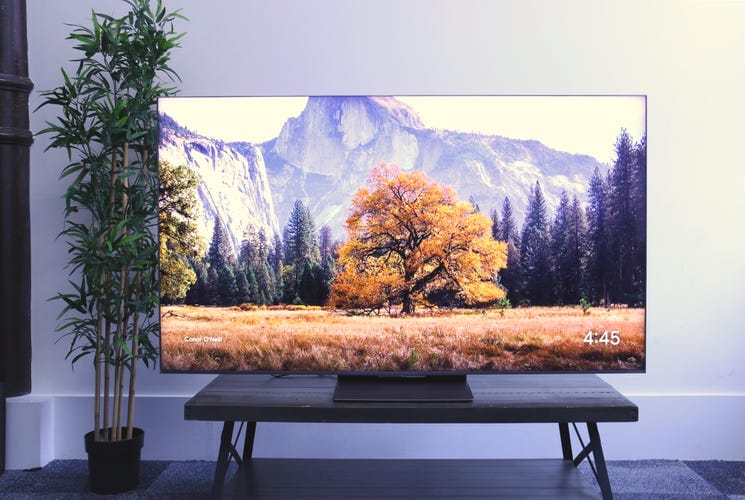
If you plan to buy smart TV models this year, slow down for a moment. Smart TVs in 2026 are more advanced than ever, but they are also more confusing.
Bigger screens, AI features, and flashy marketing can make every option look impressive. However, not every smart TV delivers the same experience.
Before you spend your money, here are the things that actually matter.
Screen Size Is Not Everything
A larger screen sounds great until it overwhelms your room.
Many buyers choose the biggest TV they can afford without considering viewing distance. As a result, the experience can feel uncomfortable instead of immersive.
For smaller rooms, a 43-inch or 55-inch TV is often enough. Larger spaces can handle 65-inch or bigger models comfortably.
Always measure your space before buying.
The Display Technology Matters More
Not all screens look the same.
In 2026, the most common display types include:
- LED
- QLED
- OLED
- Mini-LED
Samsung QLED TVs offer bright displays and vibrant colors, while LG OLED TVs remain popular for deep blacks and excellent contrast.
If picture quality matters most, OLED still leads. However, QLED and Mini-LED TVs often provide better value for money.
Smart Features Can Be Misleading
Every TV is “smart” now, but the software experience varies significantly.
Some TVs feel smooth and responsive. Others become slow after a few months.
Platforms like:
- Google TV
- webOS
- Tizen
generally offer better app support and updates.
Before you buy smart TV options, check whether the apps you use most are supported.
AI Features Are Everywhere Now
TV brands are aggressively pushing AI features in 2026.
Some AI tools genuinely improve picture quality, voice control, and recommendations. Others feel more like marketing buzzwords.
Do not buy a TV just because it says “AI-powered.” Focus on practical performance instead.
Gaming Features Matter More Than Ever
Even casual gamers should pay attention to refresh rates and HDMI support.
Modern consoles like PlayStation 5 and Xbox Series X benefit from:
- 120Hz refresh rates
- HDMI 2.1
- Low input lag
- Variable refresh rate (VRR)
Without these features, you may not get the best gaming experience.
Cheap TVs Can Cost More Later
Budget TVs often compromise on:
- Software updates
- Build quality
- Performance
- Longevity
A cheaper TV may save money initially, but it could become slow or outdated much faster.
Sometimes spending slightly more upfront gives you a better long-term experience.
Privacy Is Becoming a Bigger Issue
Many smart TVs collect viewing data and usage information.
Some models track what you watch to improve recommendations or deliver targeted ads.
Check privacy settings after setup. You can usually disable some tracking features.
Sound Quality Is Still a Weak Spot
Modern TVs look thinner and sleeker. Unfortunately, thinner TVs often have weaker speakers.
If you care about audio quality, consider adding:
- A soundbar
- External speakers
- A home theater setup
Picture quality alone does not create a great viewing experience.
The smartest way to buy smart TV models in 2026 is to ignore the hype and focus on your actual needs.
Think about:
- Your room size
- Viewing habits
- Gaming needs
- Software experience
- Long-term value
The best TV is not always the most expensive one. It is the one that fits your lifestyle without unnecessary compromises.