


Smart homes can feel intimidating at first, but they do not have to be. The truth is, smart home gadgets for beginners work best when you start small, focus on convenience, and choose devices that solve one real problem at a time.
If you have ever wanted lights that turn on before you walk into a room, a doorbell that tells you who is outside, or a plug that shuts off your iron remotely, you are already thinking like a smart home user. The easiest path is not building a futuristic house overnight, it is picking the right first gadgets and setting them up well.
What Makes a Smart Home Beginner-Friendly?
A beginner-friendly smart home is simple to install, easy to control, and compatible with the devices you already use. Consumer guidance from Consumer Reports emphasizes starter devices like speakers, cameras, locks, lights, and thermostats because they are practical and widely supported.
The best starter setup usually shares three traits:
- It works with one app or one ecosystem.
- It does not require complex wiring.
- It saves time, energy, or stress right away.
That is why many beginners start with a smart speaker or display, then add a few accessories over time.
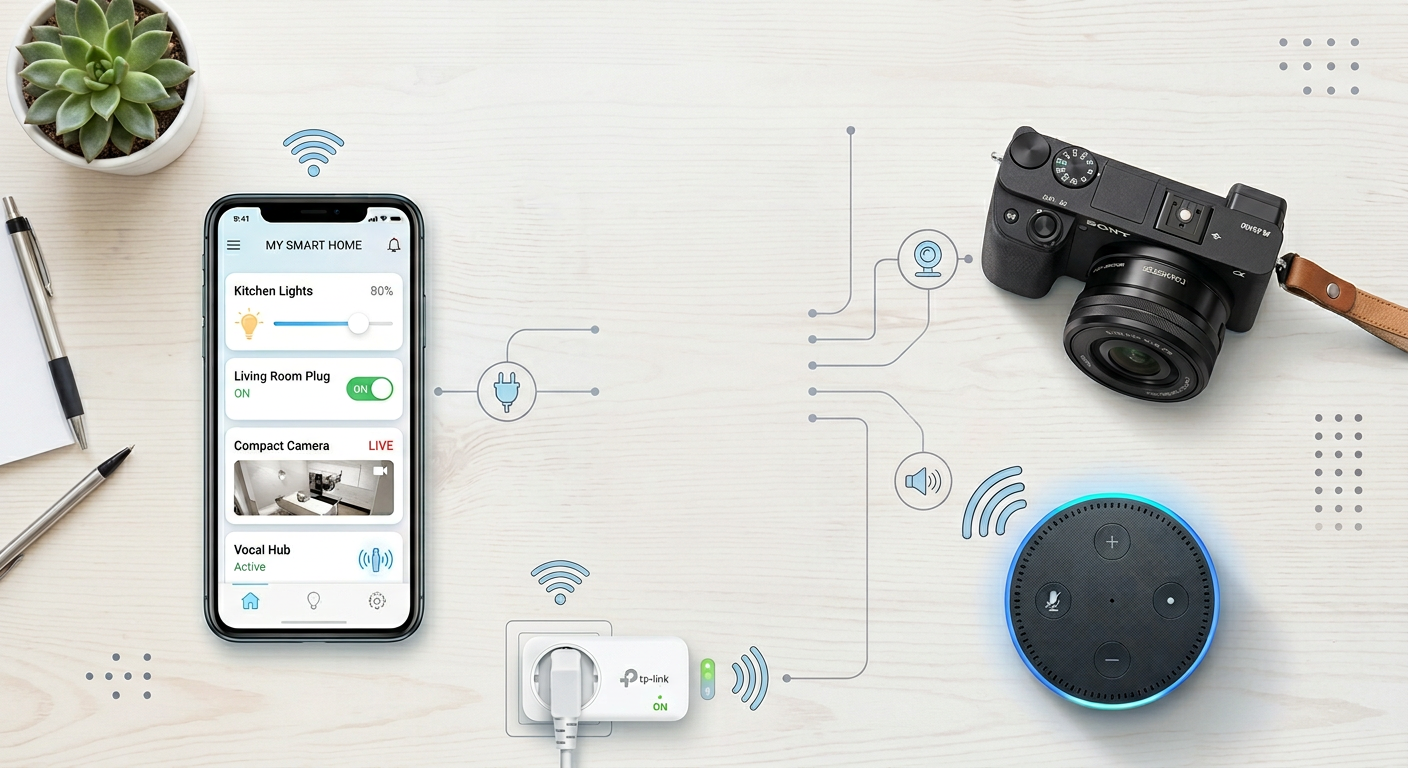
Best Smart Home Gadgets For Beginners
1. Smart Speaker or Smart Display
This is the easiest starting point. A smart speaker gives you voice control for music, timers, weather, reminders, and connected devices, while a smart display adds a screen for cameras, recipes, and calendars.
Think of it as your home’s control center. If you are only buying one product first, this is often the one.
2. Smart Plugs
Smart plugs are the cheapest way to make ordinary appliances feel smart. Plug in a lamp, fan, kettle, or coffee maker, then control it from your phone or with voice commands.
They are perfect for beginners because setup is usually fast and the learning curve is low. They also help you test whether you actually enjoy smart home features before spending more.
3. Smart Bulbs
If you want instant payoff, smart bulbs are a great pick. You can dim them, change color temperature, or schedule them to turn on and off automatically.
This is especially useful in bedrooms, hallways, and living rooms where lighting changes can improve comfort and energy use.
4. Video Doorbell or Security Camera
A doorbell camera or indoor camera is one of the most popular starter devices because it adds peace of mind. You can check deliveries, see visitors, and get alerts when motion is detected.
If privacy matters to you, review storage options, notification settings, and whether the device supports local recording or cloud storage.
5. Smart Lock
Smart locks are more advanced, but they can be a strong upgrade if you are ready. They let you lock and unlock doors from your phone, assign access codes, and check entry history.
For beginners, the main question is whether your household needs that convenience enough to justify the cost.
6. Smart Thermostat
A smart thermostat learns your habits, automates temperature changes, and can help reduce wasted energy. In places with hot weather or high utility costs, that can be a meaningful long-term benefit.
Not every home supports one easily, so check compatibility before buying.
How To Choose The Right First Gadget
Here is the thing, the best starter device is the one you will actually use every day. Do not buy gadgets just because they are trendy.
Ask yourself three questions:
- What problem do I want to solve?
- Will this device work with my current phone or voice assistant?
- Do I want a simple setup or a deeper automation setup later?
If you are unsure, start with a smart plug or smart speaker. They are affordable, useful, and forgiving if you are still learning.
What You Need Before You Buy
Before adding any smart device, make sure these basics are ready:
- Reliable Wi-Fi coverage in the room where the device will live.
- The right app store access for your phone.
- A stable power supply or battery backup, depending on the gadget.
- A clear idea of which ecosystem you prefer, such as Alexa, Google Home, Apple Home, or SmartThings.
Compatibility matters more than many first-time buyers realize. If your gadgets do not talk to each other, you end up juggling apps instead of enjoying convenience.
Simple Setup Tips For Beginners
Start with one room. That keeps the setup manageable and helps you learn what works before you expand.
Then follow this order:
- Install the app.
- Connect the device to Wi-Fi.
- Rename the device clearly, like “Living Room Lamp.”
- Test voice control or app control.
- Build one automation, such as turning lights on at sunset.
Once that works, add the next gadget. Smart homes become frustrating only when people try to install everything at once.
Security And Privacy Matter Too
Smart convenience should not come at the expense of safety. Use strong passwords, update firmware regularly, and turn on two-factor authentication whenever it is available.
If a device offers guest access or shared control, review permissions carefully. For internet-connected home devices, privacy settings are not optional, they are part of the setup.
A Smart Starter Kit That Makes Sense
If you want a no-stress first purchase plan, try this:
- One smart speaker or smart display.
- One smart plug.
- One smart bulb.
- One camera or video doorbell.
That combination gives you convenience, visibility, and a taste of automation without overcomplicating your home.
Final Thoughts
The best smart home setup for beginners is not the biggest one, it is the one that feels useful on day one. Start with gadgets that solve everyday problems, choose devices that work well together, and expand only when you are confident.
If you get the basics right, smart living becomes less about gadgets and more about saving time, reducing friction, and making home feel a little more intuitive.
Start Small And Build Smart
If you want more practical tech guides, reviews, and buying advice, explore TechCity for more coverage built for curious readers across Africa and the global tech scene. We break down the products that matter, so you can buy smarter and set up faster.
Frequently Asked Questions
What is the easiest smart home gadget for beginners?
A smart speaker or smart plug is usually the easiest starting point because setup is simple and the benefits are immediate.
Do I need a hub to start a smart home?
Not always. Many beginner devices connect directly to Wi-Fi and work without a dedicated hub.
Can smart home gadgets work with low internet speeds?
Some can, but a weak or unstable connection can cause delays. A strong Wi-Fi signal matters more than raw speed in many homes.
Are smart home devices expensive to start with?
They do not have to be. Smart plugs and entry-level bulbs are often affordable, which makes them ideal for testing the waters.
Which ecosystem is best for beginners?
The best ecosystem is the one that matches your current phone, speaker, and household devices. Consistency matters more than brand hype.
Is smart home technology safe?
It can be, if you use strong passwords, keep devices updated, and review privacy settings carefully.
What should I buy first for a small apartment?
A smart speaker, one or two smart bulbs, and a smart plug are a practical starter mix for small spaces.


